
 English
 Română
  Français
  Deutsch
  Español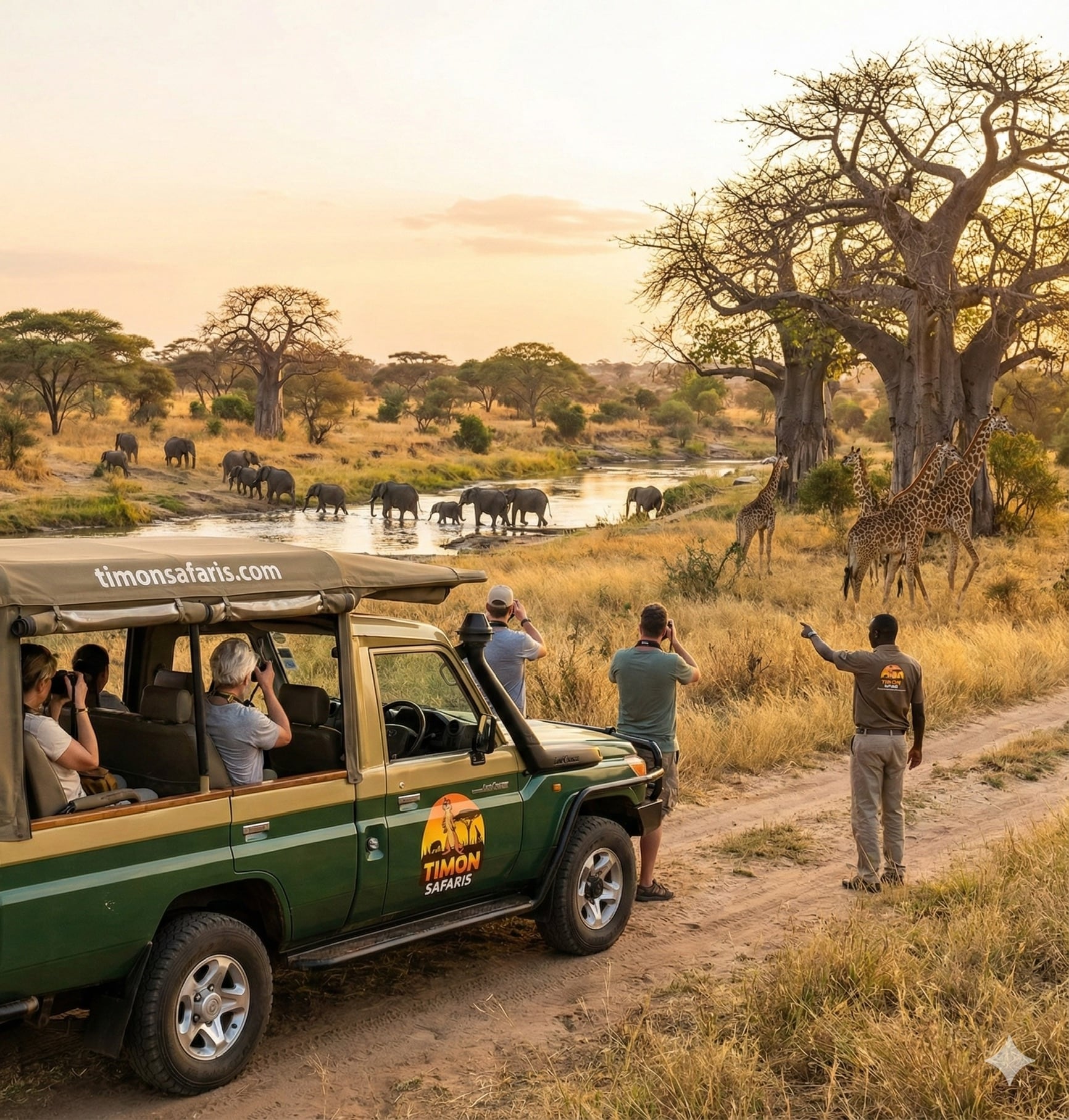

Planning your first African safari can feel overwhelming. Between choosing destinations, understanding costs, and figuring out what to pack, it’s easy to feel lost in the details. But here’s the truth: a safari is one of the most rewarding travel experiences you’ll ever have, and with the right preparation, it’s far more accessible than you might think.
This guide will walk you through everything you need to know to plan your first safari with confidence.
What Exactly Is a Safari?
The word “safari” comes from Swahili, meaning “journey.” In modern terms, it refers to a wildlife viewing expedition, typically in Africa. You’ll travel through national parks and conservation areas in specially designed vehicles, accompanied by experienced guides who help you spot and learn about wildlife in their natural habitat.
Unlike a zoo, safaris offer no guarantees about what you’ll see. That’s part of the magic. Each day brings new surprises, from lion prides lounging in the shade to elephants crossing your path just meters away.
Why Choose Tanzania for Your First Safari?
Tanzania is home to some of Africa’s most iconic wildlife destinations. The Serengeti hosts the Great Migration, where millions of wildebeest and zebra traverse the plains in search of fresh grazing. The Ngorongoro Crater offers one of the highest concentrations of wildlife on the continent within a stunning volcanic caldera. Tarangire National Park dazzles with massive elephant herds and ancient baobab trees.
For first-timers, Tanzania offers excellent infrastructure, experienced guides, and consistent wildlife viewing year-round. Most safaris operate from Arusha, making logistics straightforward and travel times manageable.
When Should You Go?
Tanzania offers fantastic safari experiences throughout the year, but timing depends on what you want to see.
The dry season from June to October is peak safari time. Wildlife congregates around water sources, making animals easier to spot. The weather is pleasant, with clear skies and comfortable temperatures. This is also when the Great Migration crosses the Serengeti’s northern reaches.
The green season from November to May brings lush landscapes and fewer crowds. November through March is calving season in the southern Serengeti, when thousands of wildebeest give birth, attracting predators. Rain typically falls in short afternoon bursts rather than all-day downpours.
Many visitors find the shoulder seasons of January to February or November particularly appealing for the balance of good weather, wildlife activity, and value.
How Long Should Your Safari Be?
For your first safari, three to five days hits the sweet spot. This gives you enough time to visit multiple parks, adjust to the rhythm of safari life, and increase your chances of diverse wildlife sightings without feeling rushed or exhausted.
A typical itinerary might include the Ngorongoro Crater for its concentrated wildlife, Tarangire for elephants and baobabs, and the Serengeti for its vast plains and predator action. Each park offers something unique, and variety makes your experience richer.
What Does a Typical Safari Day Look Like?
Safari days follow the rhythm of wildlife activity. You’ll wake before dawn, usually around 6:00 AM, for a light breakfast before heading out. Early morning is prime time for wildlife viewing as animals are most active in the cool hours.
Morning game drives typically last three to four hours. You’ll return to your accommodation for a late breakfast or brunch, then have time to relax during the heat of midday. Many lodges have pools, and this is when you can rest, read, or simply enjoy the surroundings.
Afternoon game drives usually begin around 3:30 or 4:00 PM and continue until sunset, around 6:30 PM. You might stop for sundowners, drinks enjoyed while watching the sun dip below the horizon. Dinner follows in the evening, often with time to share stories around a campfire.
Some safaris offer full-day excursions with picnic lunches in the bush, which allows you to cover more ground and stay out during prime wildlife hours.
Where Will You Stay?
Safari accommodations range from comfortable tented camps to luxury lodges. Don’t let “tented camp” fool you. Many feature proper beds, en-suite bathrooms with hot showers, and excellent meals. The canvas walls simply put you closer to nature’s sounds.
Budget camping safaris involve basic campsites where your team sets up tents and prepares meals. Mid-range options include permanent tented camps with more amenities. Luxury lodges offer hotel-style comforts with exceptional service, often in stunning locations.
For first-timers, mid-range tented camps or lodges provide the best balance of authentic experience, comfort, and value. You’ll sleep well, eat well, and still feel immersed in the wilderness.
What Will It Cost?
Safari costs vary widely based on accommodation level, group size, and season. Budget camping safaris might start around $200-250 per person per day. Mid-range safaris with comfortable tented camps or lodges typically run $300-500 per person per day. Luxury safaris can exceed $600-1,000+ per person per day.
These prices usually include accommodation, all meals, park fees, game drives, and your guide. Excluded are typically international flights, visas, tips, drinks, and personal expenses.
Tanzania requires park fees paid in US dollars, which form a significant portion of safari costs. These fees directly support conservation efforts and local communities, ensuring the parks remain protected for future generations.
Going with a small group can reduce costs through shared vehicle expenses. Private safaris offer maximum flexibility but cost more since you’re covering the full vehicle.
Will You See the Big Five?
The Big Five (lion, leopard, elephant, buffalo, and rhino) originated as a hunting term for the most dangerous animals to hunt on foot. Today, spotting all five is a safari highlight, though it shouldn’t be your only goal.
Tanzania offers excellent chances for four of the Big Five. Lions are frequently spotted in the Serengeti and Ngorongoro. Elephants are abundant in Tarangire. Buffalo roam in large herds across multiple parks. Leopards are more elusive but regularly seen by patient observers, especially in the Seronera area of the Serengeti.
Black rhinos are the rarest, with Ngorongoro Crater offering your best opportunity. Even there, sightings aren’t guaranteed due to their small population.
Beyond the Big Five, you’ll encounter cheetahs, giraffes, zebras, wildebeest, hippos, crocodiles, and hundreds of bird species. Some of the most memorable safari moments come from unexpected encounters like a cheetah hunting or a leopard draped across a tree branch.
What Should You Pack?
Packing for safari is simpler than you think. The key is neutral-colored clothing in khaki, olive, brown, or tan. Avoid bright colors and especially black and blue, which attract tsetse flies.
Bring lightweight, breathable long-sleeved shirts and long pants for sun protection and insect prevention. Mornings and evenings can be cool, so pack a warm fleece or jacket. A wide-brimmed hat, sunglasses, and sunscreen are essential. The African sun is strong.
Comfortable, closed-toe walking shoes work for most situations. You’re not doing heavy hiking on safari, so hiking boots aren’t necessary unless you plan specific walking safaris.
Don’t forget binoculars for wildlife viewing, a camera with a good zoom lens, and extra batteries or charging capability. Power might be limited in some camps.
Most importantly, pack light. Safari vehicles have limited luggage space, and if you’re flying between camps, small aircraft have strict weight limits, often around 15 kg (33 lbs) in soft bags.
Do You Need Special Vaccinations?
Yellow fever vaccination is required if you’re arriving from a yellow fever endemic country, and some airlines require proof regardless of origin. Most travelers get it as a precaution.
Malaria prophylaxis is recommended for safari areas, though risk varies by season and location. Consult your doctor or a travel medicine clinic at least six weeks before departure to discuss the best option for you.
Routine vaccinations should be up to date, and some doctors recommend hepatitis A and typhoid for Tanzania travel.
Is Safari Safe?
Safaris are remarkably safe when you follow basic guidelines. Your guide is trained to keep you safe around wildlife, and vehicles are designed specifically for game viewing with elevated seating and strong construction.
The golden rule is simple: stay in your vehicle unless your guide says it’s safe to exit. Wild animals can be unpredictable, and distance is your protection. Never approach animals on foot, and always listen to your guide’s instructions.
At camps and lodges, staff will escort you after dark since wildlife often roams through these areas. This isn’t cause for alarm but rather a normal part of living in harmony with nature.
Petty theft can occur in cities like Arusha, just as in any tourist destination. Use common sense with your belongings, and you’ll be fine. On safari itself, security concerns are minimal.
What About Photography?
You don’t need professional equipment to capture great safari photos. Modern smartphones take impressive pictures, especially in good light. If you have a camera, a zoom lens (at least 200mm, ideally 300-400mm) will help you photograph distant animals.
Bring extra memory cards and batteries since you’ll take far more photos than you anticipate. A beanbag or small cushion helps stabilize your camera on the vehicle’s window frame.
The best light for photography comes in early morning and late afternoon. The harsh midday sun creates challenging conditions, which is another reason midday breaks work well.
Don’t get so caught up in photography that you forget to simply watch and absorb the experience. Some moments are better lived than captured.
Common First-Timer Worries
“What if I don’t see much wildlife?” Safaris in Tanzania’s prime parks virtually guarantee good wildlife sightings. You might not see specific animals on specific days, but you’ll see plenty of wildlife overall. Your guide’s expertise and knowledge of animal movements dramatically increase your odds.
“Will I be uncomfortable?” Safari vehicles are designed for comfort with padded seats, open sides for viewing and photography, and pop-up roofs. You’ll spend several hours driving each day, but regular breaks and the excitement of wildlife watching make time pass quickly.
“What if I get motion sick?” Safari roads can be bumpy. If you’re prone to motion sickness, bring medication and request a seat in the middle of the vehicle where movement is less pronounced. Most people adjust quickly.
“Is it ethical?” Responsible safari tourism directly funds conservation and provides livelihoods for local communities, creating incentives to protect wildlife rather than exploit it. Choose operators committed to sustainable practices, respect for wildlife, and community benefit.
Choosing Your Safari Operator
Your safari operator makes or breaks your experience. Look for companies with experienced guides, well-maintained vehicles, and transparent pricing. Read recent reviews, ask questions about itineraries and accommodations, and ensure park fees are included.
Licensed operators in Tanzania are registered with the Tanzania Tourist Board. Don’t hesitate to ask about credentials, guide qualifications, and what exactly is included in your package.
The cheapest option isn’t always the best value. Experienced guides, quality vehicles, and proper planning cost more but deliver immeasurably better experiences.
Making the Most of Your Safari
Stay patient and keep your expectations flexible. Wildlife doesn’t follow schedules, and some days are quieter than others. Trust your guide’s expertise about where to go and when.
Ask questions. Guides love sharing their knowledge about animal behavior, ecology, and conservation. The more engaged you are, the richer your experience becomes.
Embrace the early mornings. Yes, it’s hard to leave a warm bed at 5:30 AM, but those dawn hours offer the most magical wildlife encounters and the best light.
Finally, put your phone down occasionally and be present. The sounds, smells, and feelings of being in the African wilderness are as important as the sights.

Your Safari Awaits
A first safari is a transformative experience that changes how you see the natural world. The vastness of the Serengeti, the power of a lion’s roar, the grace of a giraffe moving through acacia trees—these moments stay with you forever.
Tanzania offers everything a first-time safari-goer needs: incredible wildlife, stunning landscapes, excellent infrastructure, and warm hospitality. With proper planning and the right expectations, your first safari will likely become the first of many.
The journey of a thousand miles begins with a single step. Your African adventure is waiting.
Ready to start planning your first safari? Contact us to discuss your dream itinerary and turn your safari aspirations into reality.
0 Comment