Serengeti National Park, spread across 14,763 square kilometres of northern Tanzania, is a UNESCO World Heritage Site renowned for its epic landscapes and abundant wildlife.
Its vast savannahs, punctuated with acacia trees and kopjes, create a picturesque backdrop for one of the greatest wildlife spectacles on Earth. The park is a beacon for wildlife enthusiasts worldwide and is home to the famous African “Big Five” – lion, leopard, elephant, rhino, and buffalo.
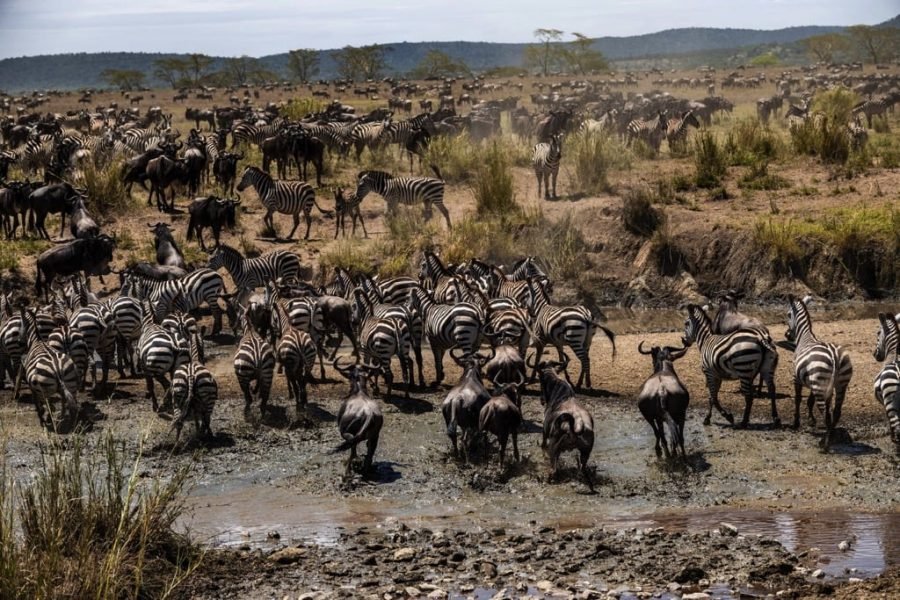
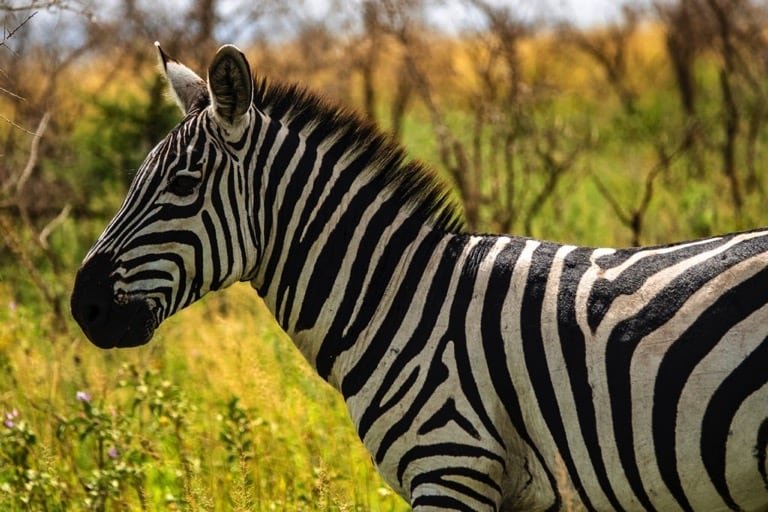
The park is most famous for the Great Migration, where approximately 1.5 million wildebeest, accompanied by hundreds of thousands of zebras and gazelles, traverse its plains annually in search of fresh pastures.
This incredible phenomenon offers visitors unparalleled wildlife viewing opportunities, featuring dramatic survival scenes as herds brave crocodile-infested rivers and prowling predators.
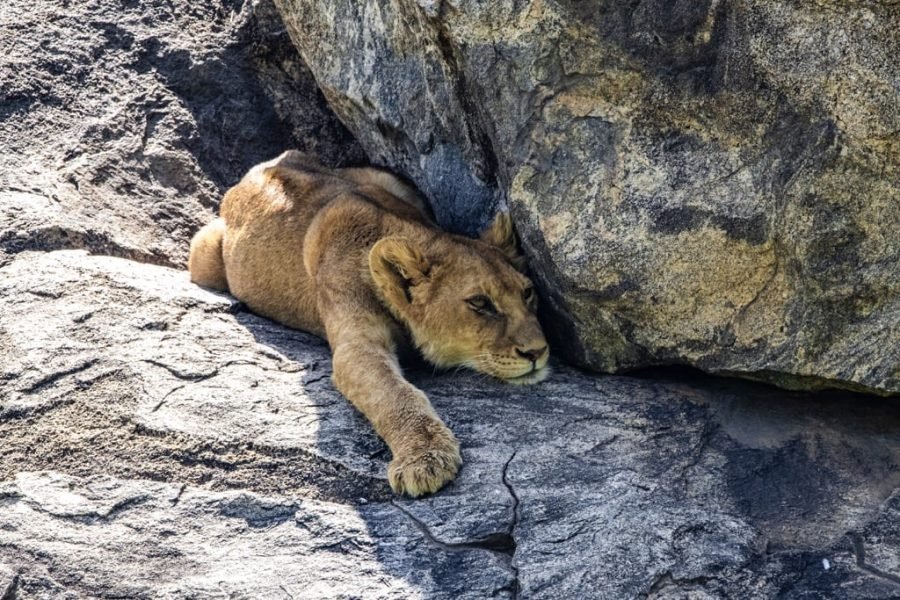
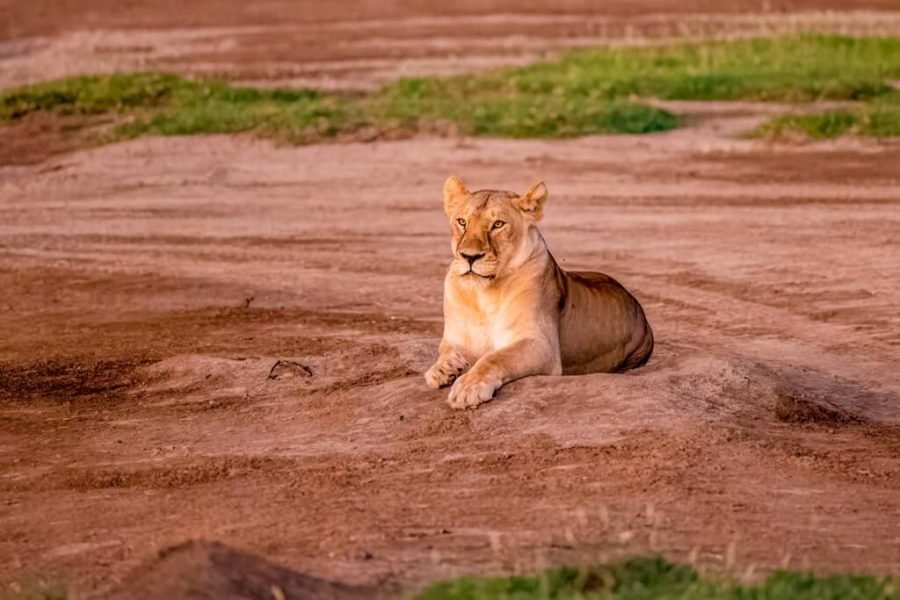
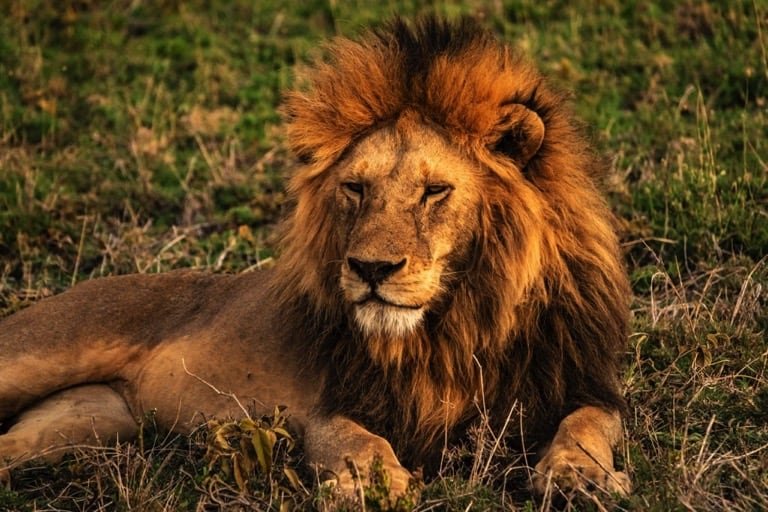
The Serengeti also houses one of Africa’s largest lion populations, providing remarkable big-cat sightings. Other predators like leopards, cheetahs, and hyenas roam the park, contributing to the rich predatory spectacle. Over 500 bird species flutter in the sky, from ostriches and eagles to secretary birds and marabou storks. Serengeti National Park’s sheer magnitude of wildlife and dramatic natural events make it a pinnacle of African safari experiences.
attractions in Serengeti National Park
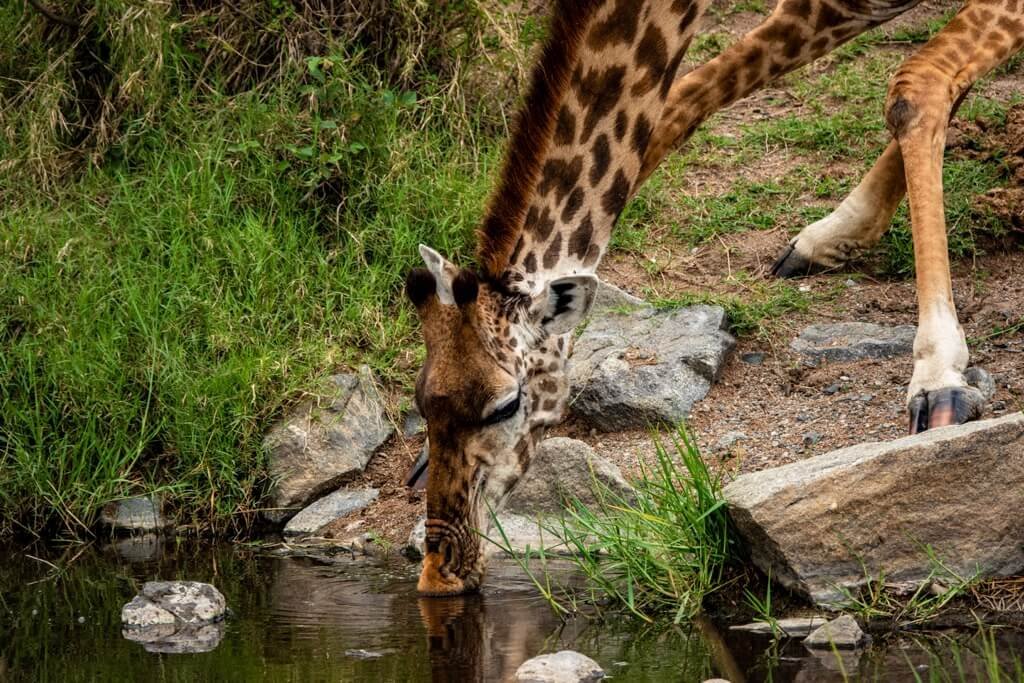
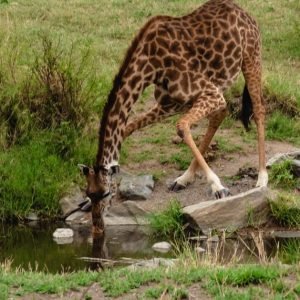
step into the awe-inspiring wilderness of serengeti national park, an expansive sanctuary home to 70 large mammals and 500 bird species, creating a biodiversity spectacle unlike any other. witness the untamed power of one of africa’s largest lion populations while elephants, leopards, buffalo, and rhinos, rounding out the famed “big five”, roam the park’s sprawling plains. find a cheetah perched on a kopje, scanning the horizon, or a group of giraffes elegantly ambling amongst the acacia trees.
Not to forget the park’s feathered inhabitants, from vibrant lilac-breasted rollers to large secretary birds. Cap off your adventure with a hot air balloon safari at sunrise, offering panoramic views of this wildlife theatre. Every moment in the Serengeti is a testament to the beauty and diversity of life on Earth.
the great migration
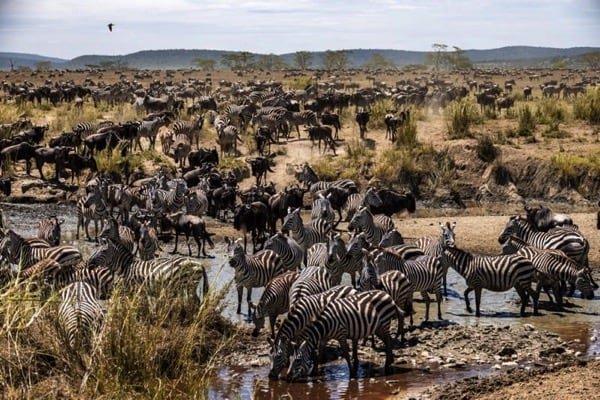
Witness the breathtaking spectacle of the Great Migration in the Serengeti National Park, where each year, over 1.5 million wildebeest, joined by hundreds of thousands of zebras and gazelles, embark on a life-affirming journey across the sprawling plains.
This awe-inspiring event, the largest terrestrial mammal migration on Earth, sees these herds navigate treacherous terrain and brave predators in a relentless search for fresh pastures. From dramatic river crossings, where crocodiles lie in wait, to the raw survival instincts displayed on the open savannah, this natural phenomenon is a visceral showcase of the circle of life. Amidst this grand theatre, predators like lions, hyenas, and leopards opportunistically follow the herds, adding a layer of primal intensity. Experiencing the Great Migration is a once-in-a-lifetime spectacle, etching unforgettable memories of nature’s indomitable spirit.
Explore popular itineraries
Arusha, Tarangire, Manyara, Lake Natron, Serengeti, Zanzibar
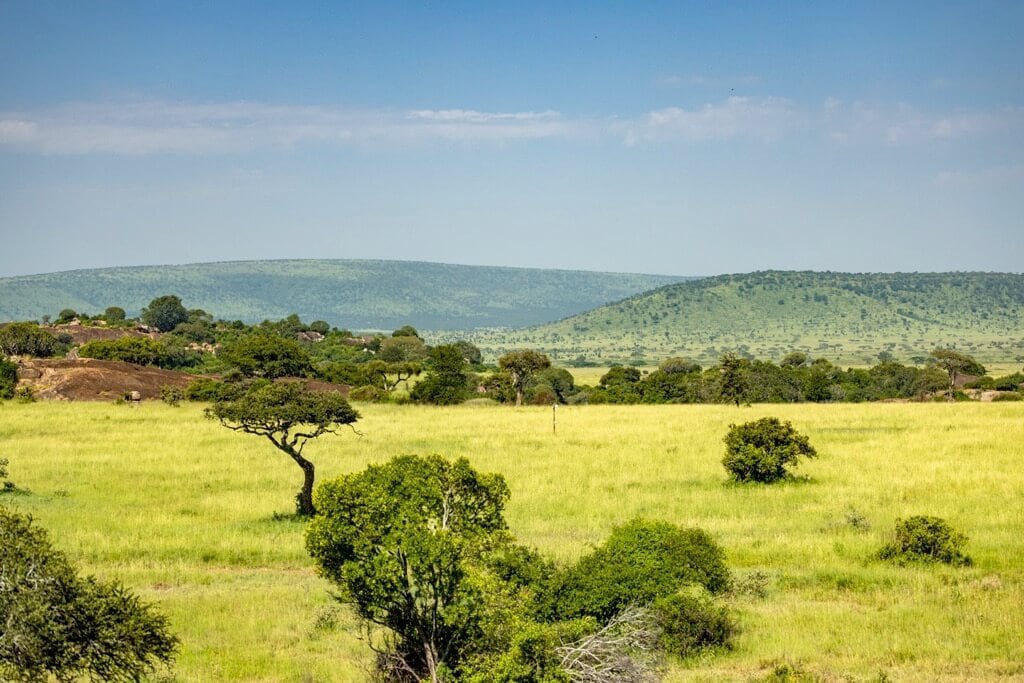
Serengeti National Park, spanning around 14,750 square kilometres, is a vast savannah ecosystem in the Mara and Simiyu regions of northern Tanzania, East Africa. It is named after the Maasai word, ‘Siringet,’ which translates to ‘endless plains.’ These plains, speckled with acacia trees and marked by granite kopjes, certainly live up to the name, stretching as far as the eye can see.
The park is a UNESCO World Heritage site. It was established in 1951, making it Tanzania’s oldest national park. It shares its northern border with Kenya’s Maasai Mara Game Reserve. The western corridor reaches Lake Victoria, while the eastern boundary is near the Ngorongoro Conservation Area.
A unique feature of the park is its seasonal migration patterns. The park forms part of the larger Serengeti ecosystem, which includes several other conservation areas and is the theatre for the annual Great Migration. This is one of the most spectacular natural events globally, where approximately two million wildebeests, zebras, and gazelles migrate in search of fresh pasture and water.
The park is divided into several regions, each boasting unique geographical features. These include the endless, grassy plains of the south, the acacia savannah of the central region, the hilly, more densely wooded northern border, and the western corridor marked by black clay soil and the Grumeti River.
Wildlife
Serengeti National Park is one of the most biodiversity-rich areas in the world, home to an astonishing variety of wildlife. The park provides a habitat for over 70 large mammals and 500 bird species.
The Serengeti is most famous for the Great Migration. This massive movement involves around 1.5 million wildebeest, 200,000 zebras, and 350,000 Thomson’s and Grant’s gazelle moving cyclically through the park each year in search of new grazing pastures. This grand spectacle is one of nature’s greatest shows, filled with dramatic scenes of life and death as these herds face the threats of predators and challenging river crossings.
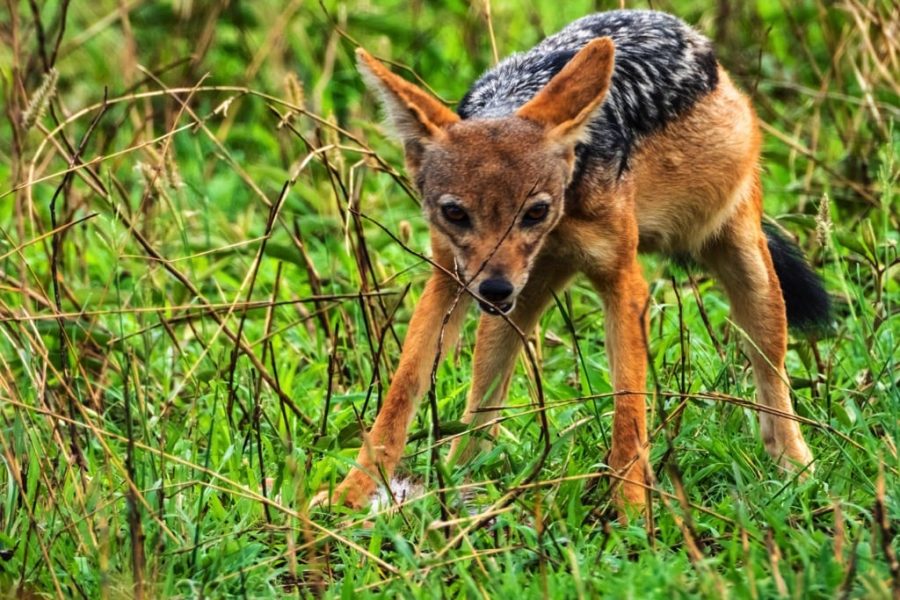
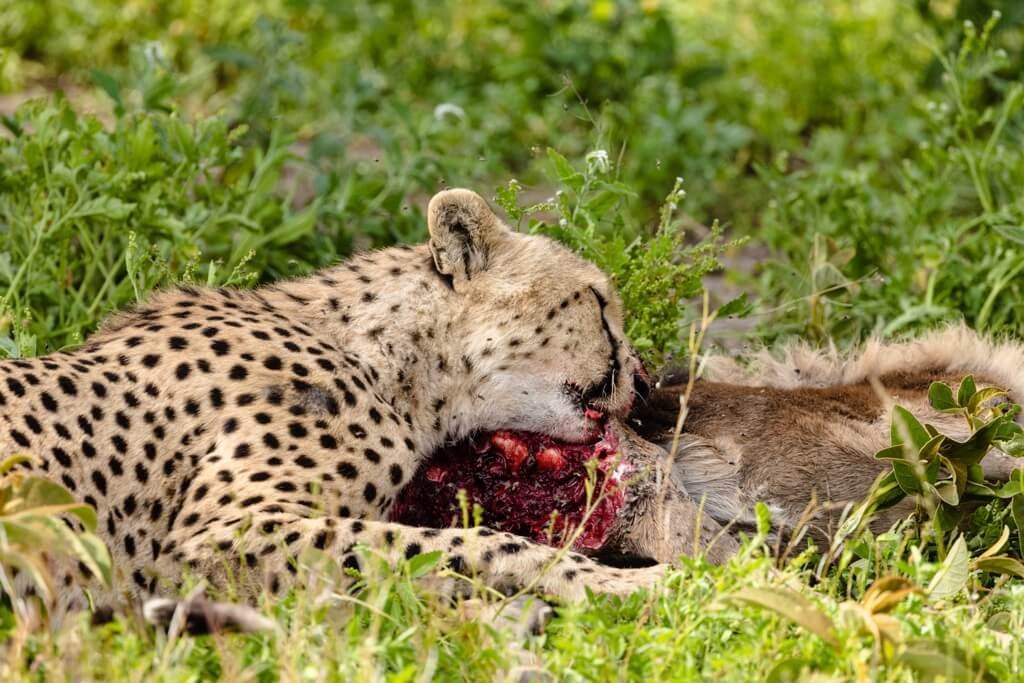
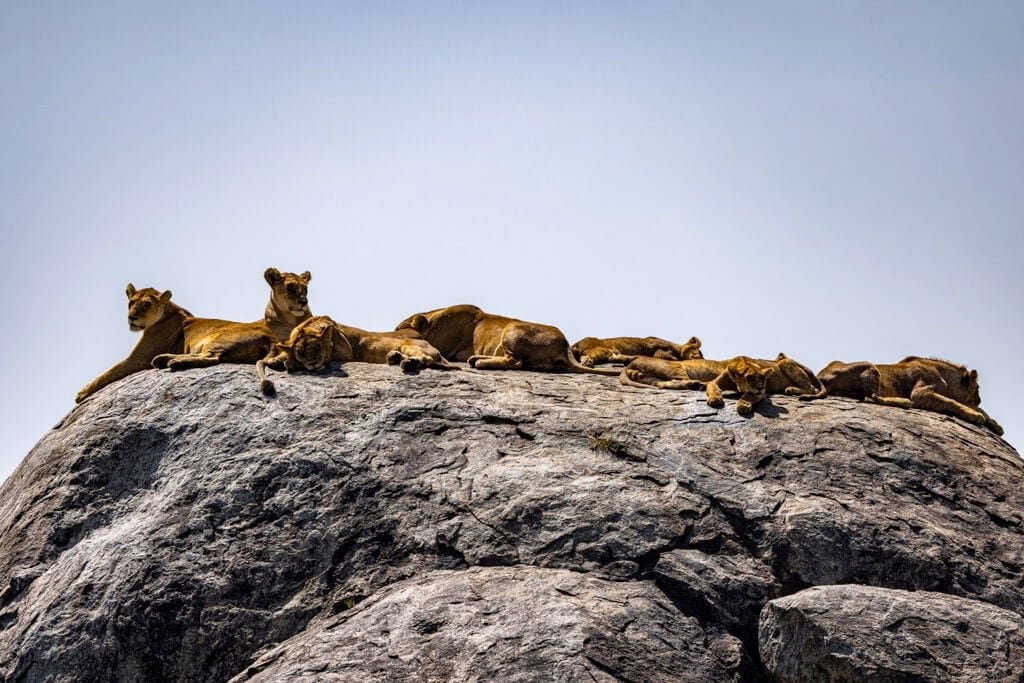
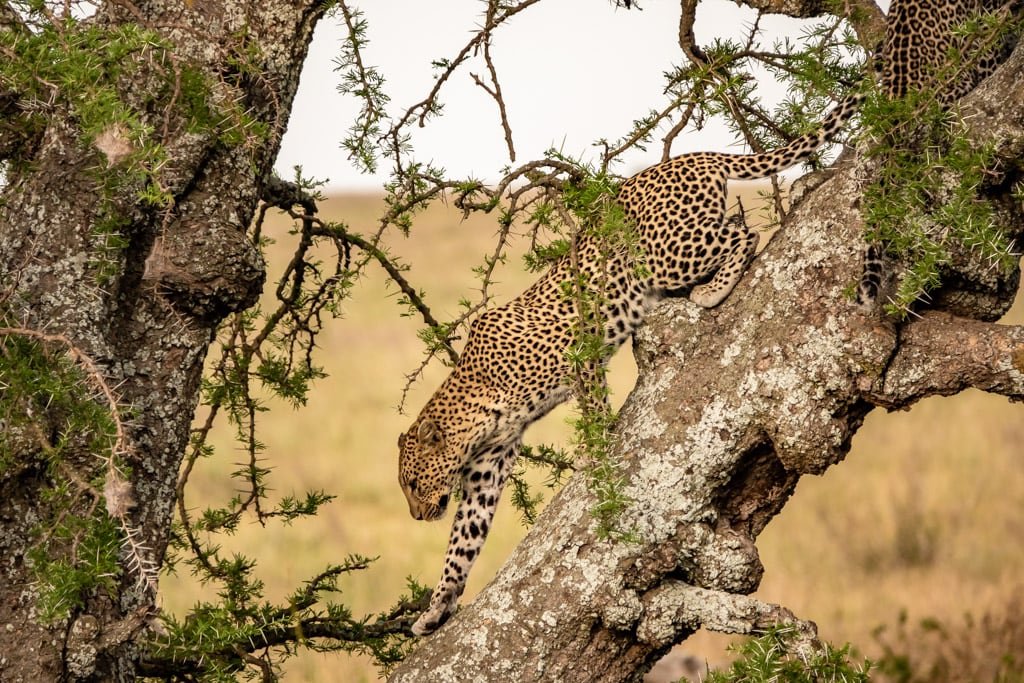
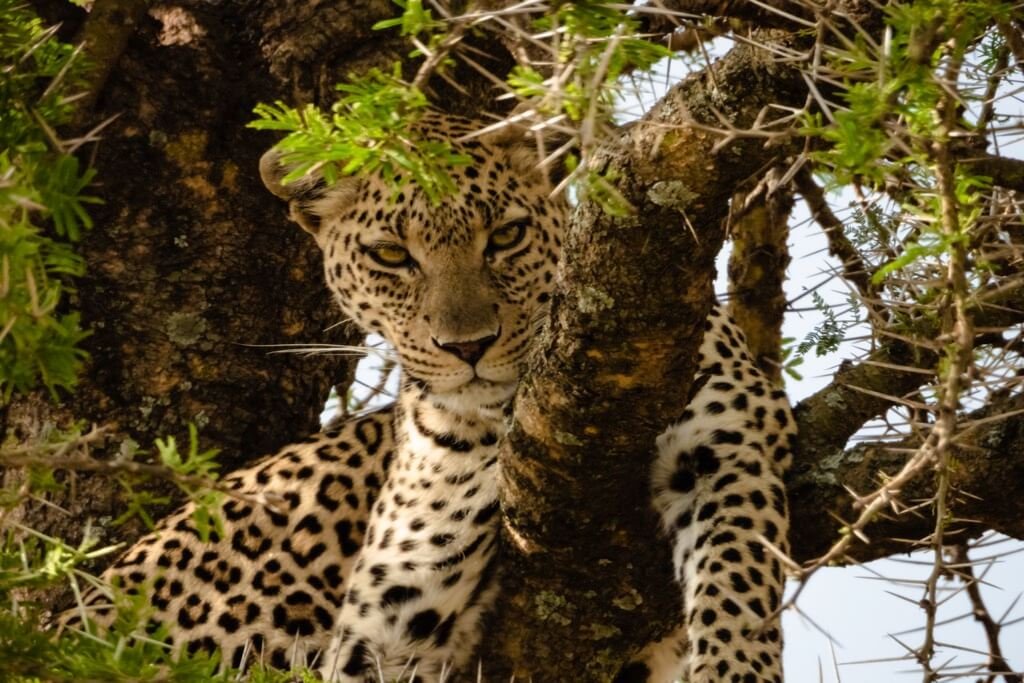
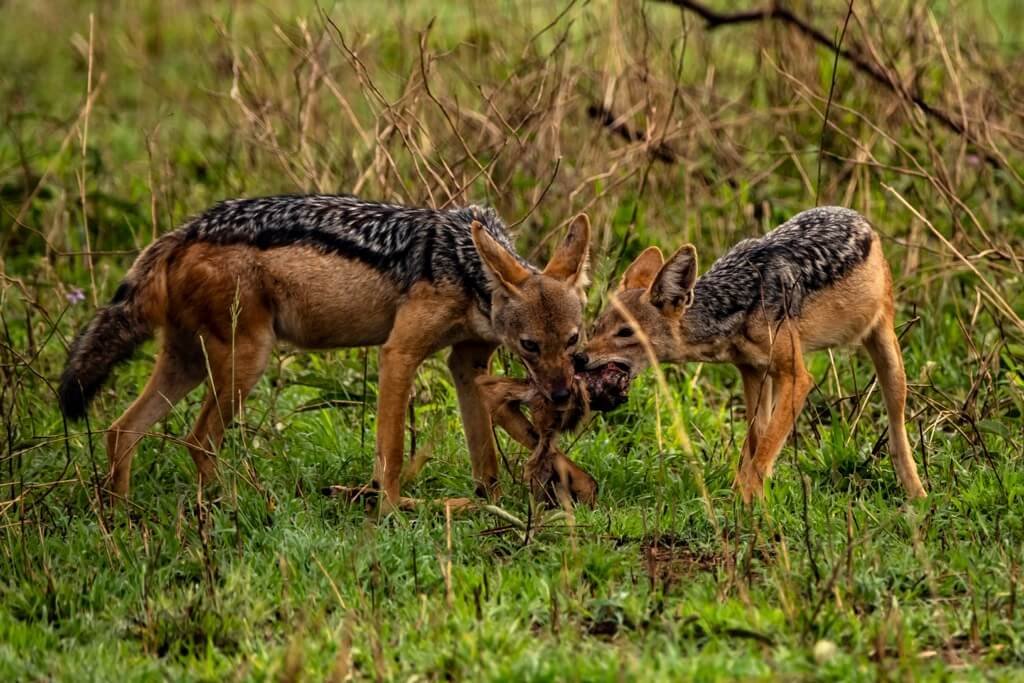
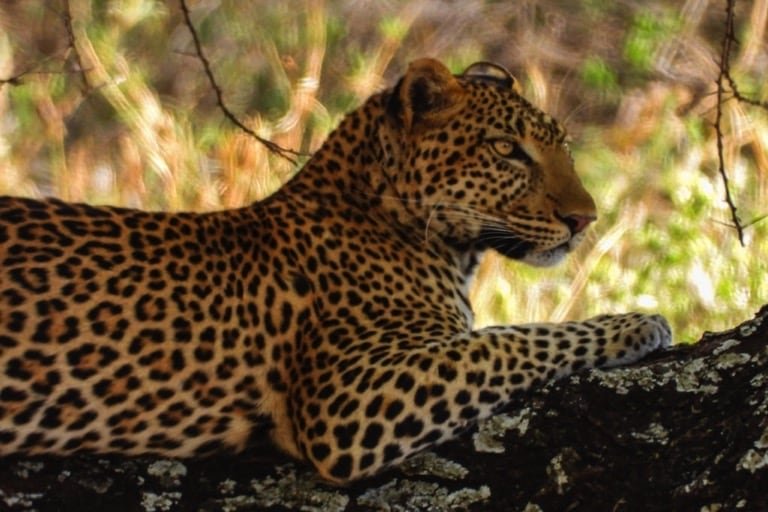
The Serengeti is a stronghold for predators, including lions, cheetahs, leopards, and hyenas. It’s estimated that the park is home to around 3,000 lions, one of the highest numbers in Africa, which are often seen lounging on the savannah or atop the kopjes. Cheetahs are frequently spotted; their high-speed chases across the plains are a sight. Though more elusive, Leopards can often be draped on acacia branches or prowling at dusk.
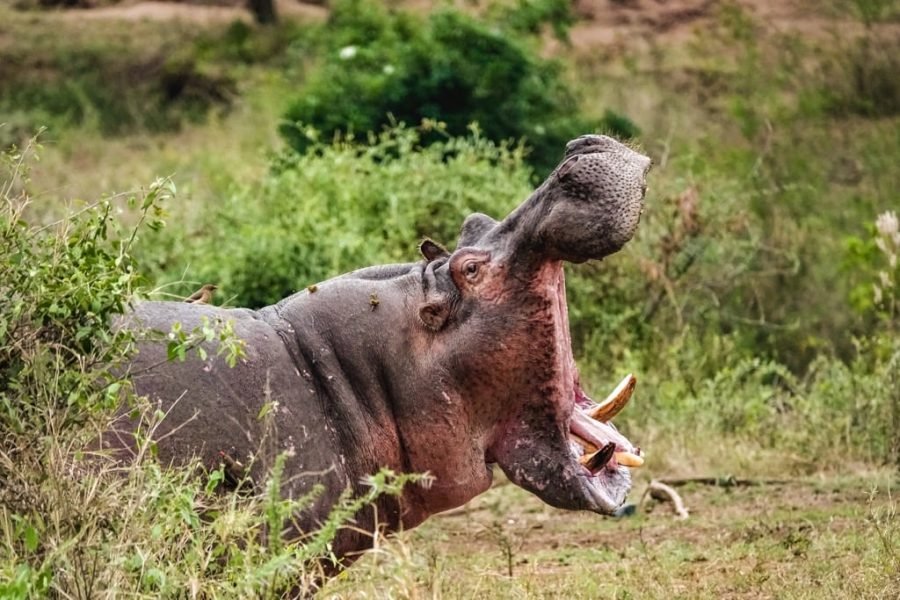
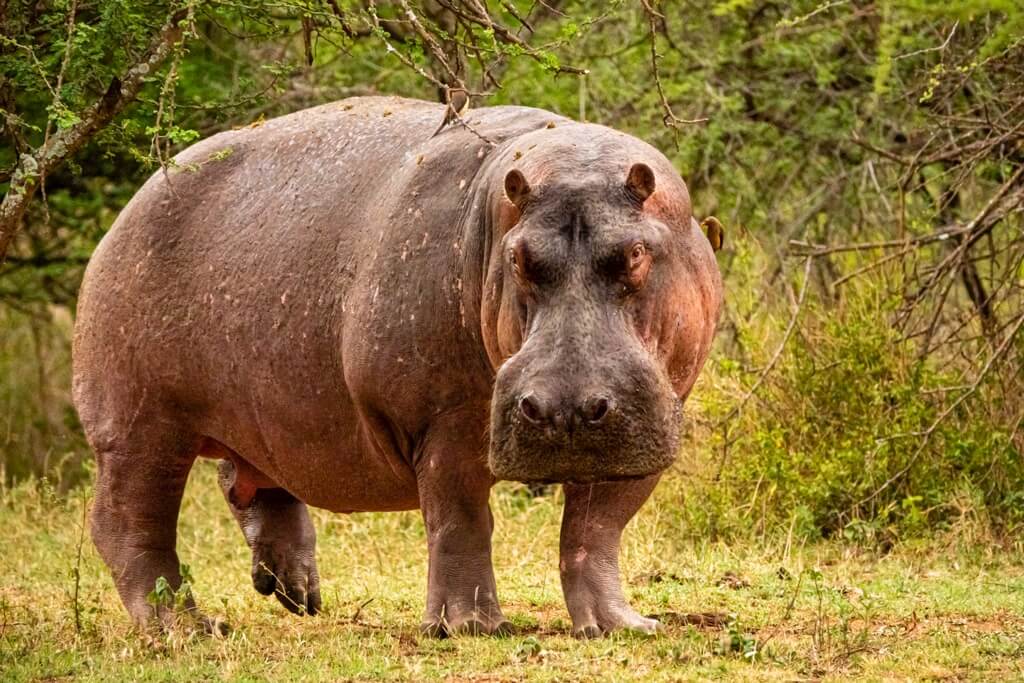
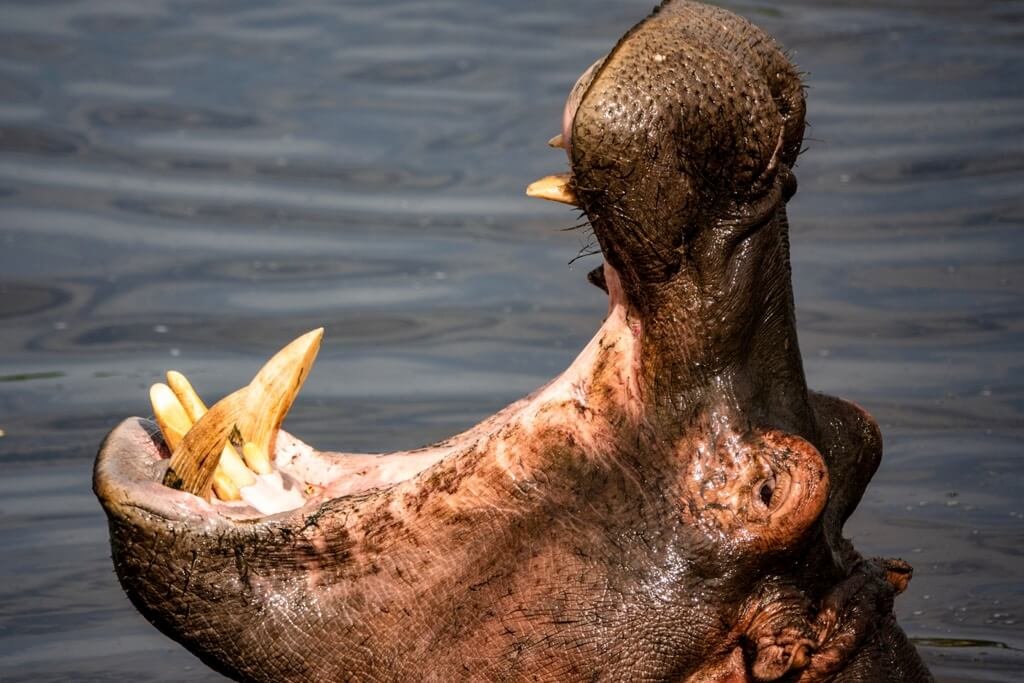
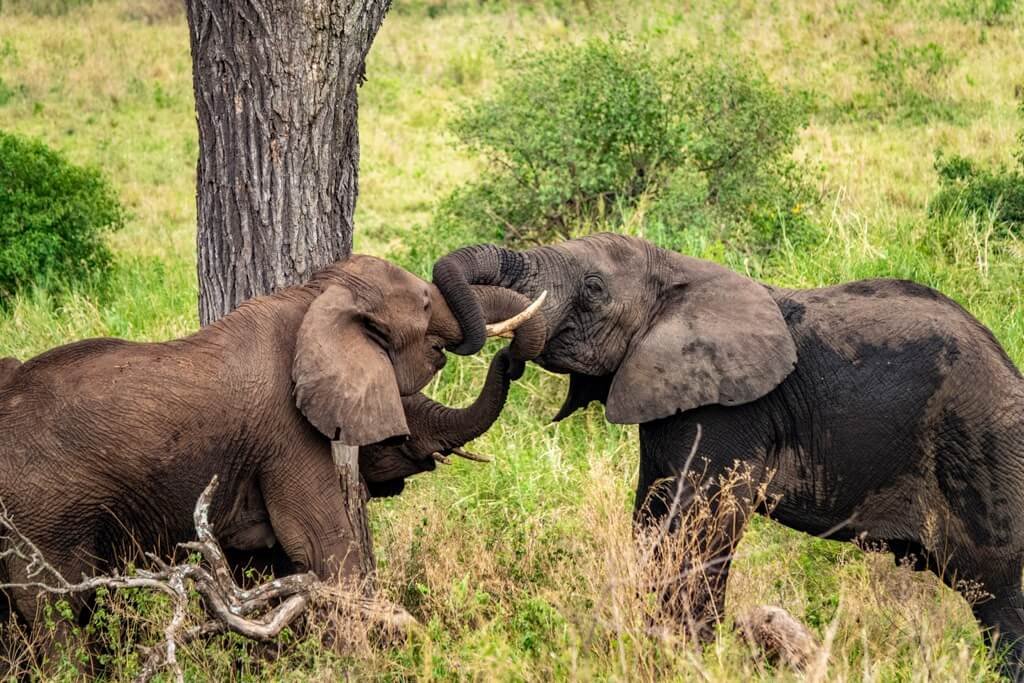
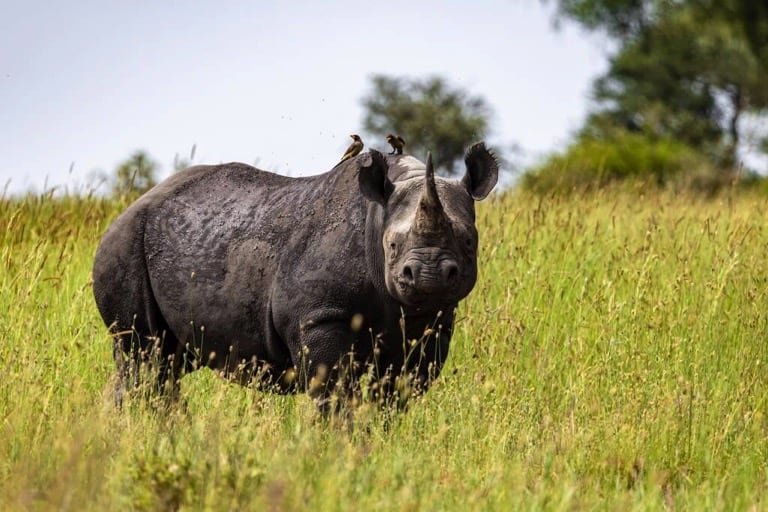
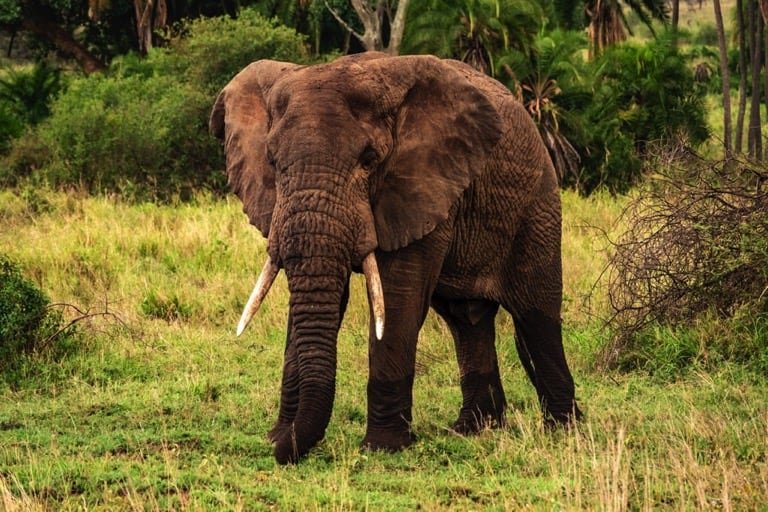
In the rivers and water bodies, you’ll find large Nile crocodiles and pods of hippos. The Serengeti is also home to the African elephant, with herds often seen in the Seronera Valley and near the Mara River. The park also protects the endangered black rhino, occasionally seen in the Moru Kopjes area.
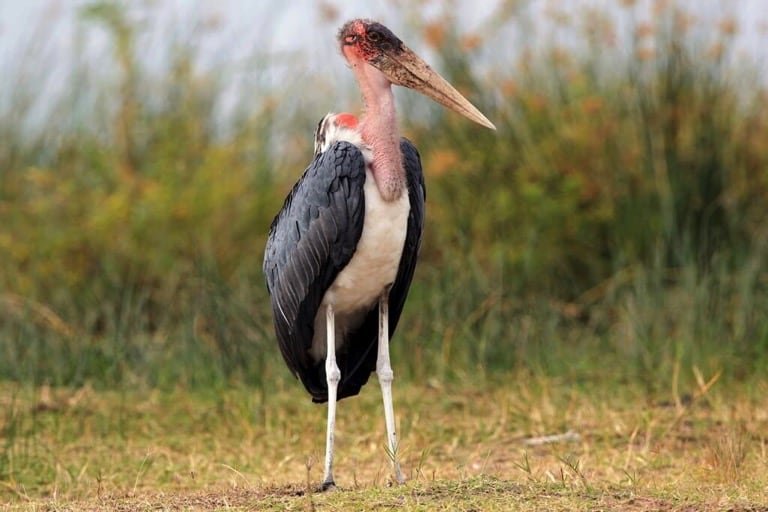
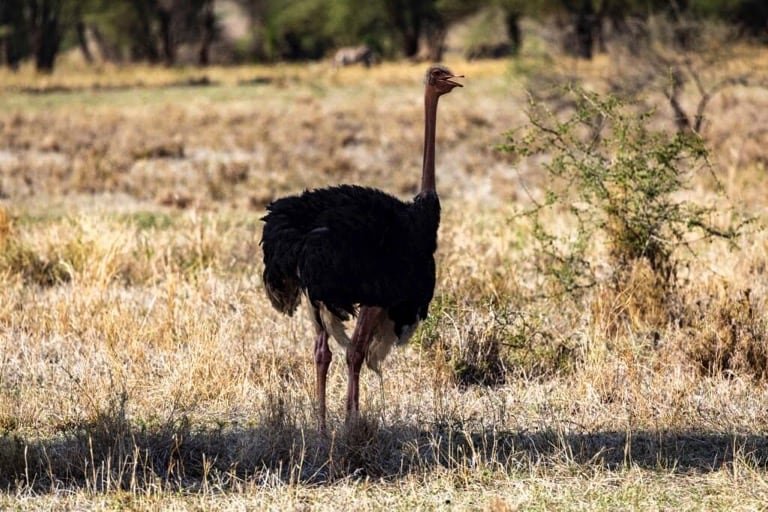
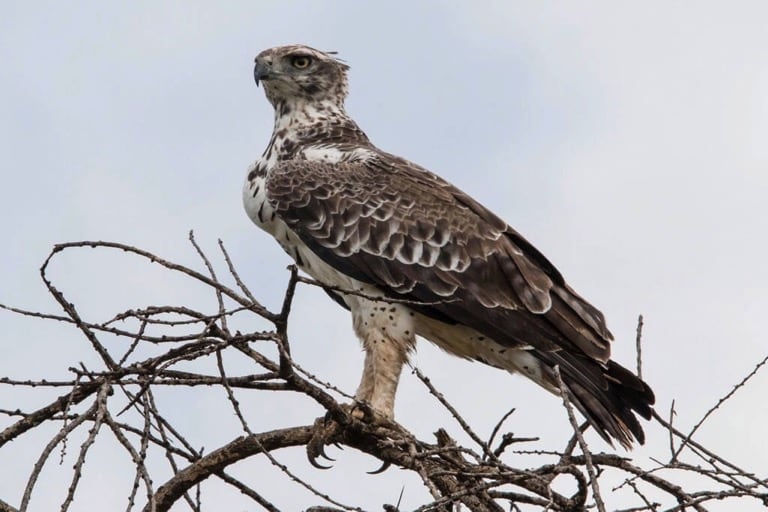
The park’s avian diversity is equally impressive, with over 500 bird species, including ostriches, secretary birds, marabou storks, and various raptors. The Serengeti’s skies always have birdlife, whether the colourful lilac-breasted roller or the majestic martial eagle.
Common Animals
Probability of seeing various animals
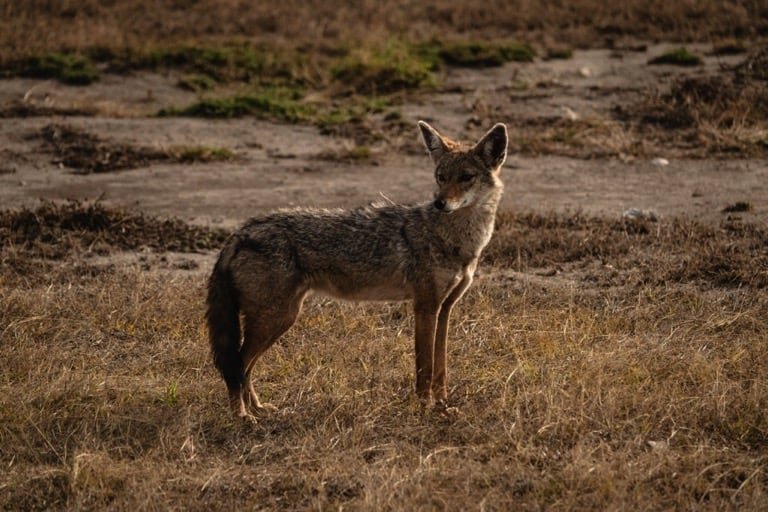
BLACK BACKED JACKAL
90%
GOLDEN JACKAL
90%
BLACK RHINO
35%
LEOPARD
95%
CARACAL
40%
BANDED MONGOOSE
100%
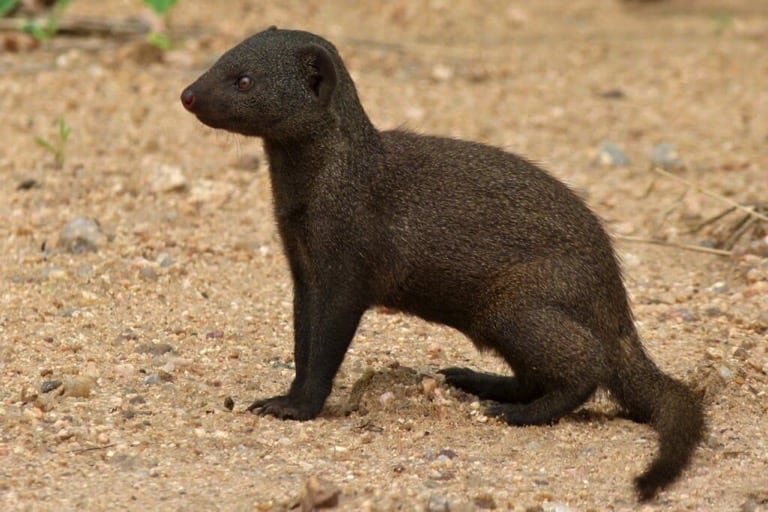
DWARF MONGOOSE
95%
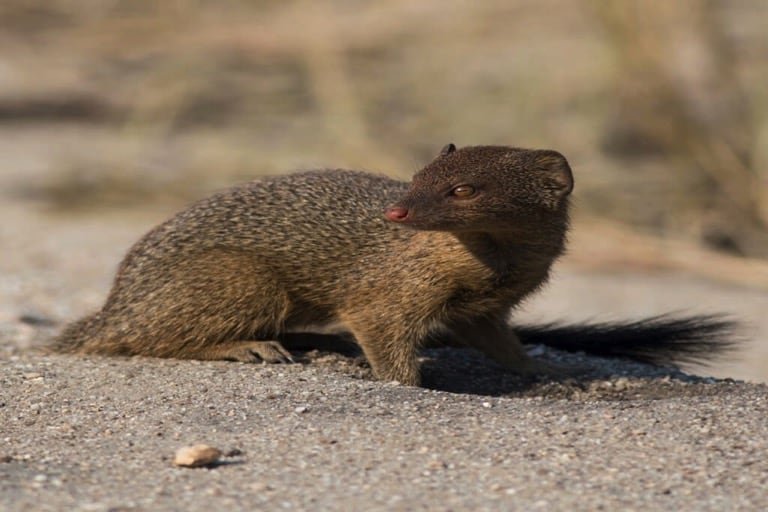
SLENDER MONGOOSE
90%
SERVAL
50%
BUFFALO
100%
HYENA
100%
LION
100%
ZEBRA
100%
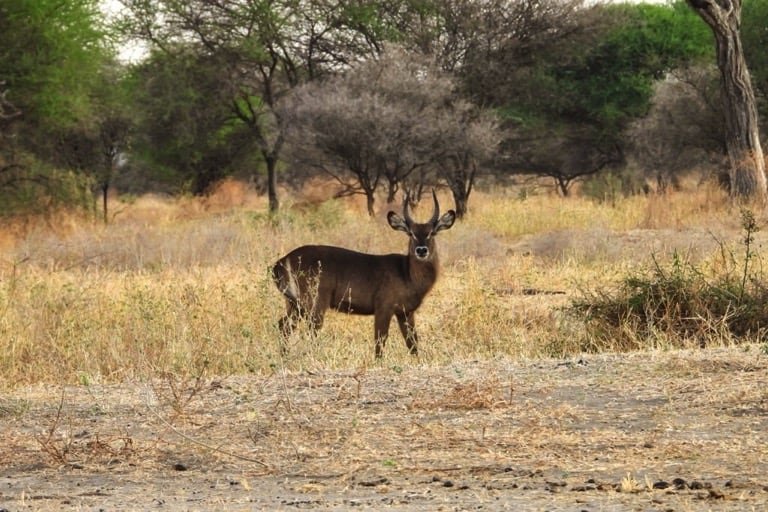
WATERBUCK
80%
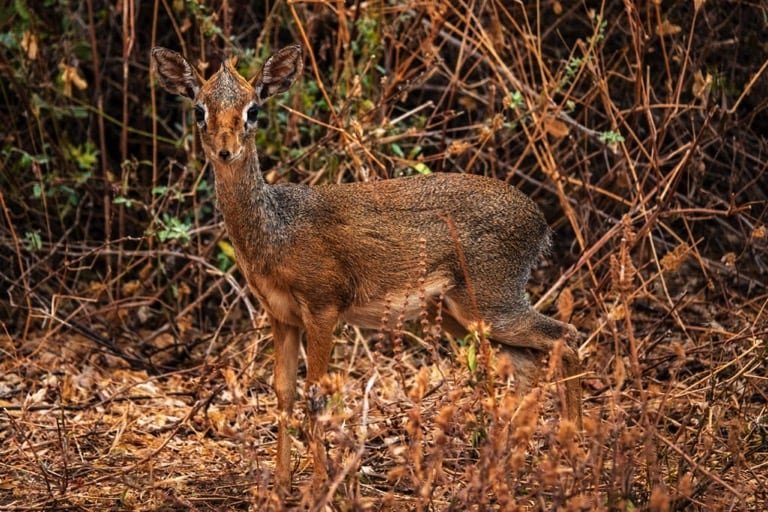
DIK-DIK
100%
ELEPHANT
95%
WILDEBEEST
100%
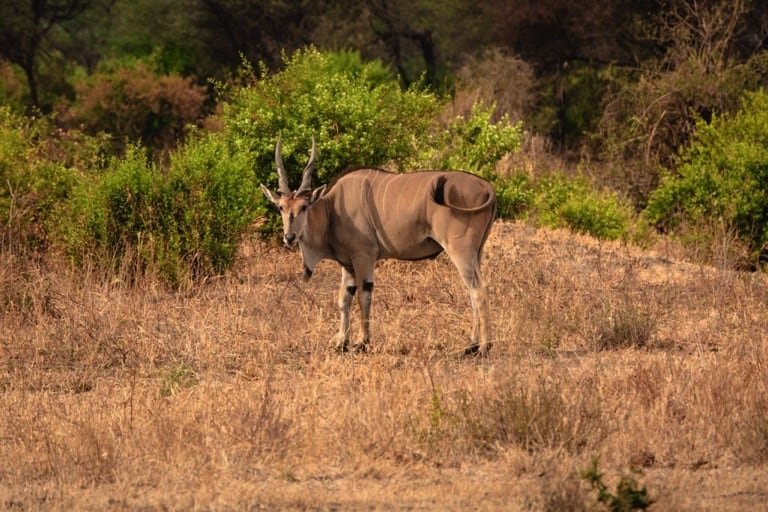
COMMON ELAND
100%
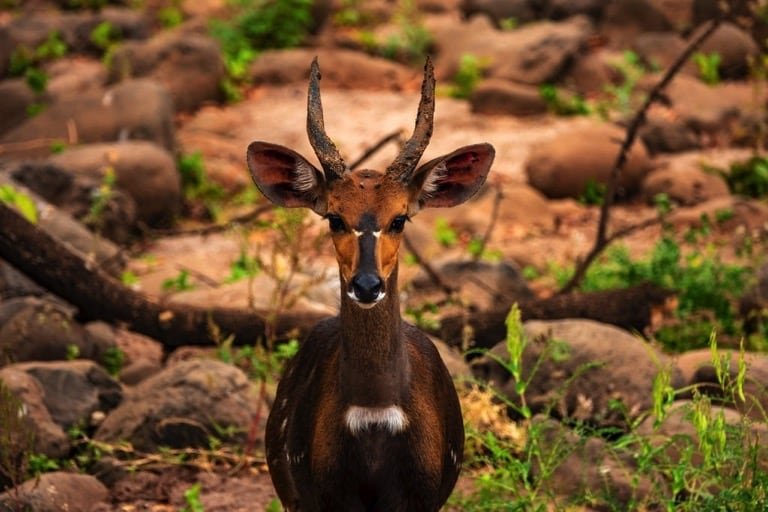
BUSHBUCK
60%
HIPPO
100%
WARTHOG
100%
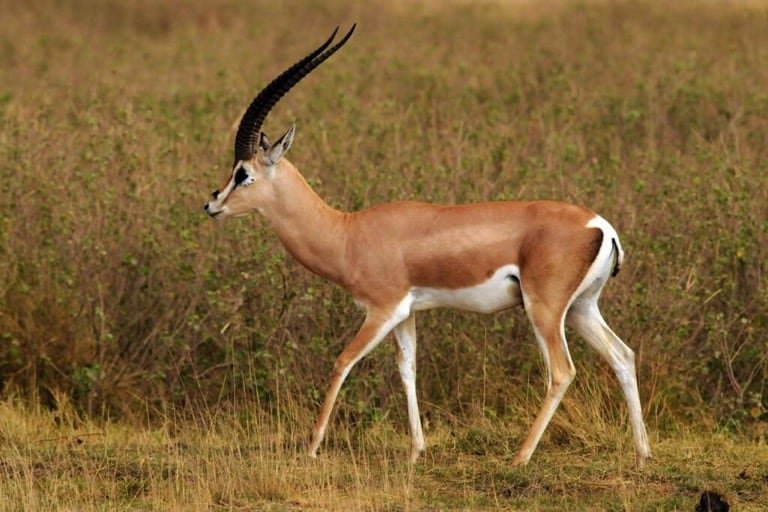
GRANT GAZELLE
100%
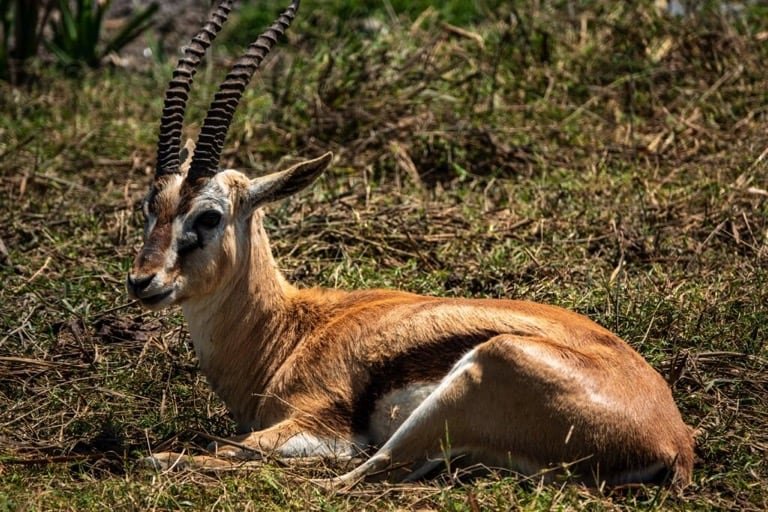
THOMSON GAZELLE
100%
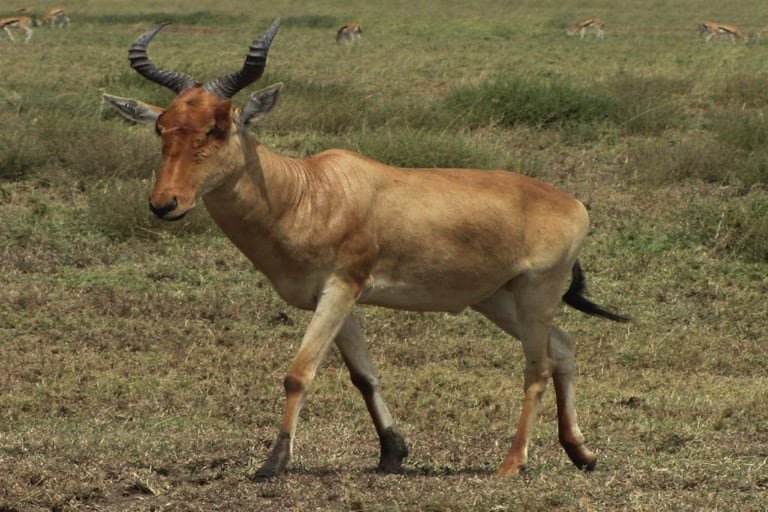
HARTEBEEST
100%
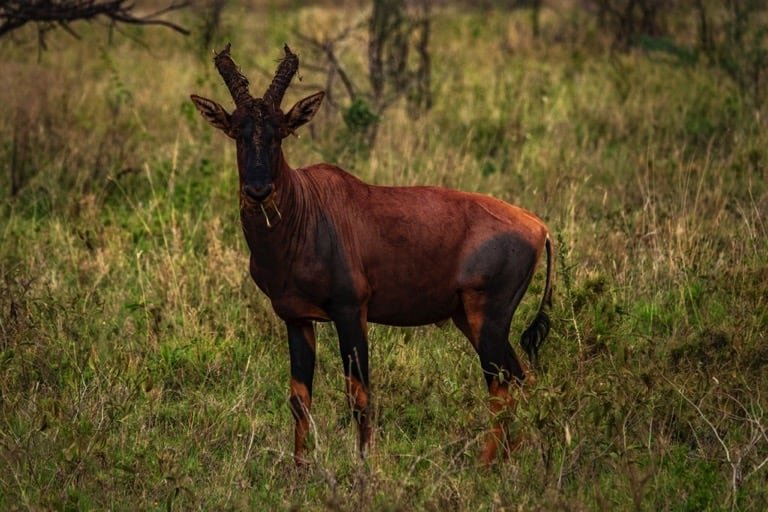
TOPI
100%
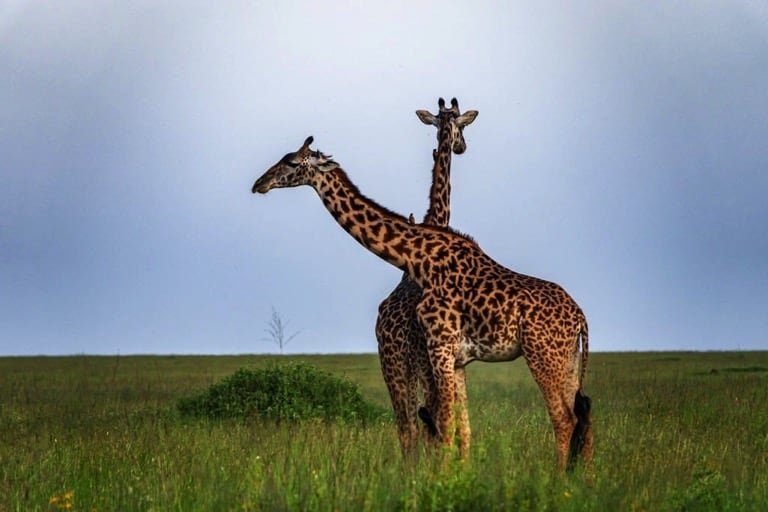
GIRAFFE
100%
IMPALA
100%
CHEETAH
90%
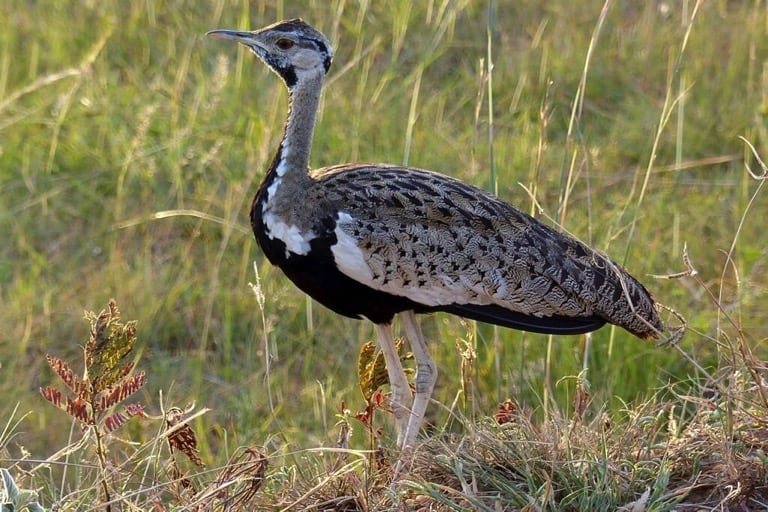
Common Birds
Probability of seeing various birds
MARABOU STORK
100%
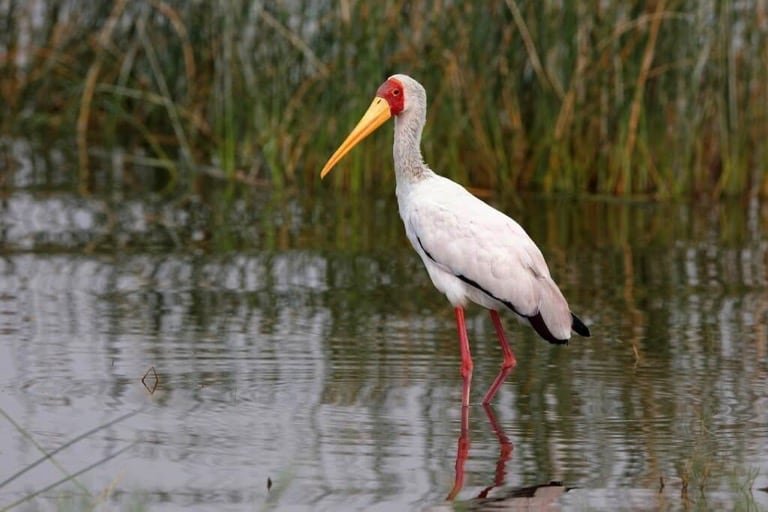
YELLOW-BILLED STORK
100%
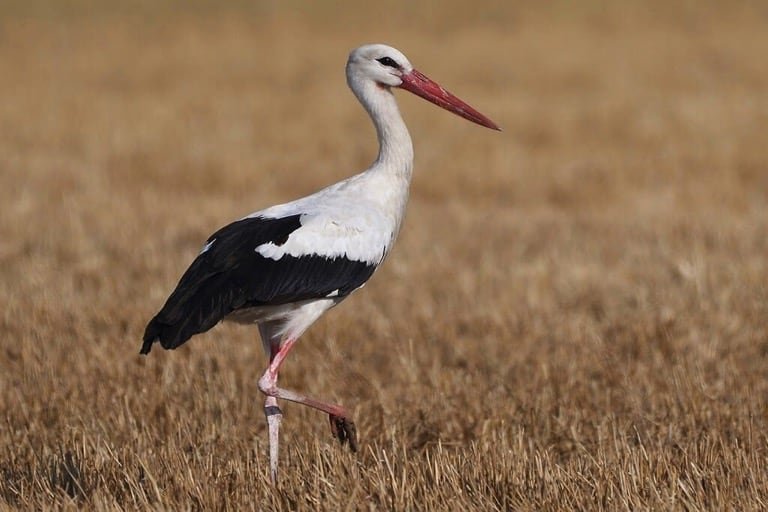
WHITE STORK
50%
BLACK STORK
100%
SADDLE-BILLED STORK
100%
EGYPTIAN GOOSE
100%
OSTRICH
100%
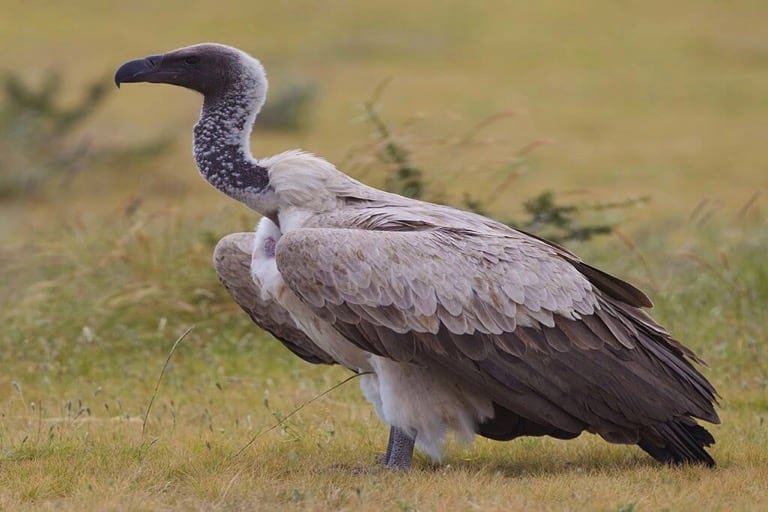
WHITE BACKED VULTURE
95%
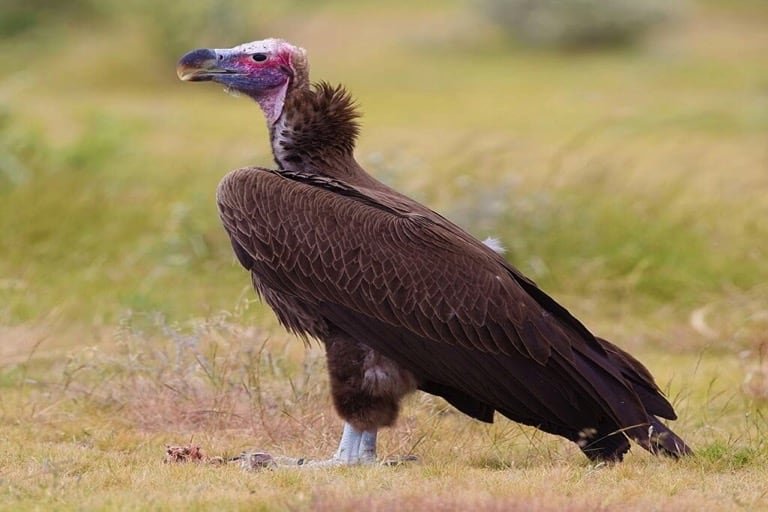
LAPPET FACED VULTURE
95%
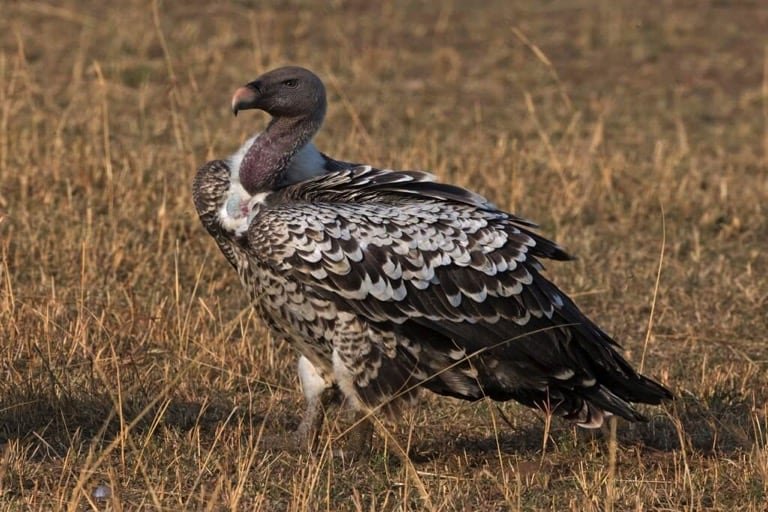
RUPPELS VULTURE
100%
BLACK MASKED WEAVER
100%
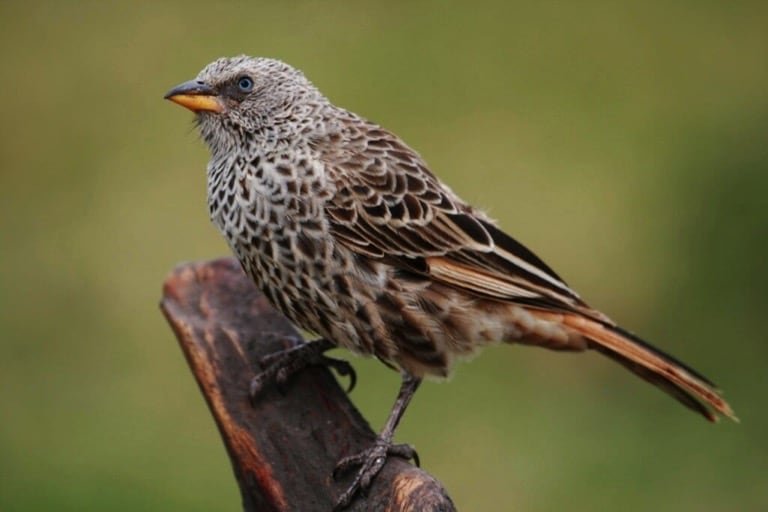
RUFOUS-TAILED WEAVER
100%
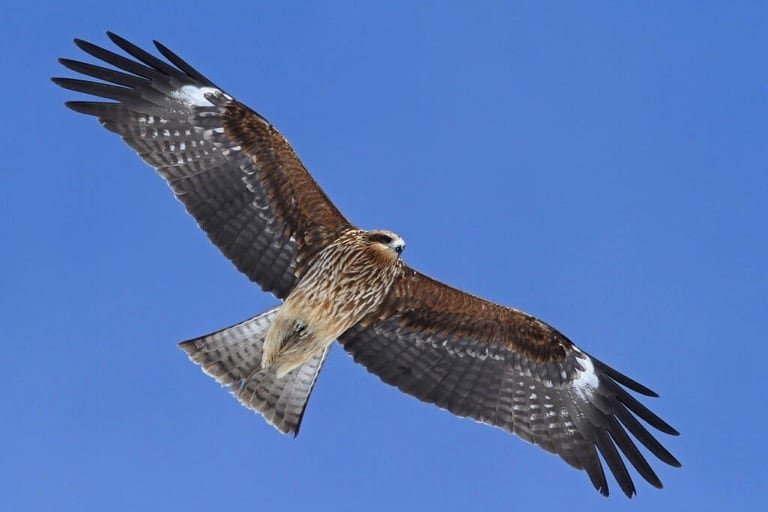
BLACK KITE
100%
AUGUR BUZZARD
100%
TOWNY EAGLE
75%
SECRETARY BIRD
95%
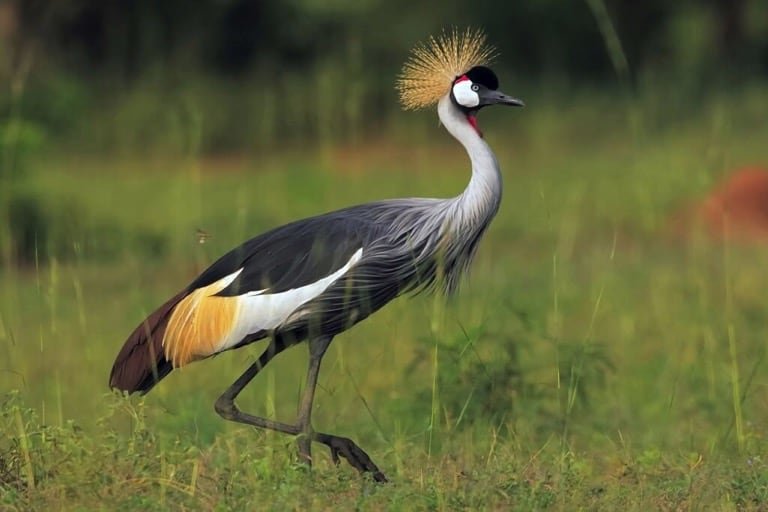
GRAY CROWN CRANE
95%
MARTIAL EAGLE
80%
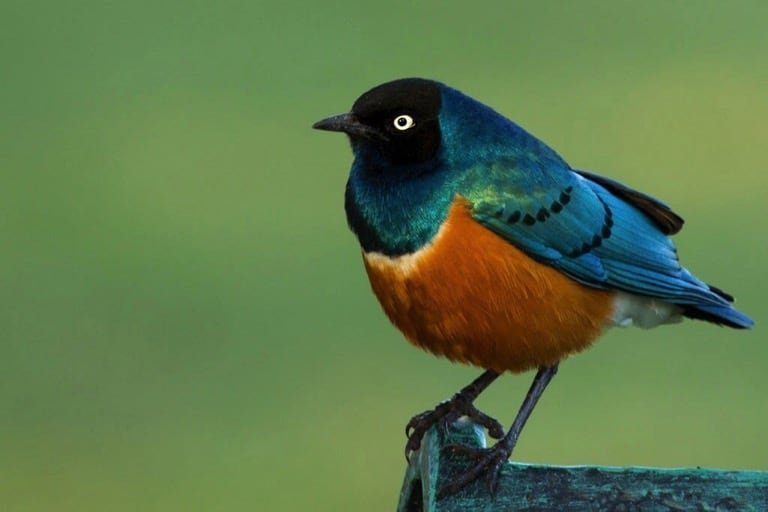
SUPERB STARLING
100%
KORI BUSTARD
100%
BLACK-BELLIED BUSTARD
100%
WHITE-BELLIED BUSTARD
100%
Ready to adventure and enjoy wildlife?
Subscribe to our newsletter and get the latest updates & news.
world travel awards as
africa's leading national park for 2019, 2020, 2021, 2022, 2023 and 2024




















 EN
EN
 RO
RO  FR
FR  DE
DE  ES
ES