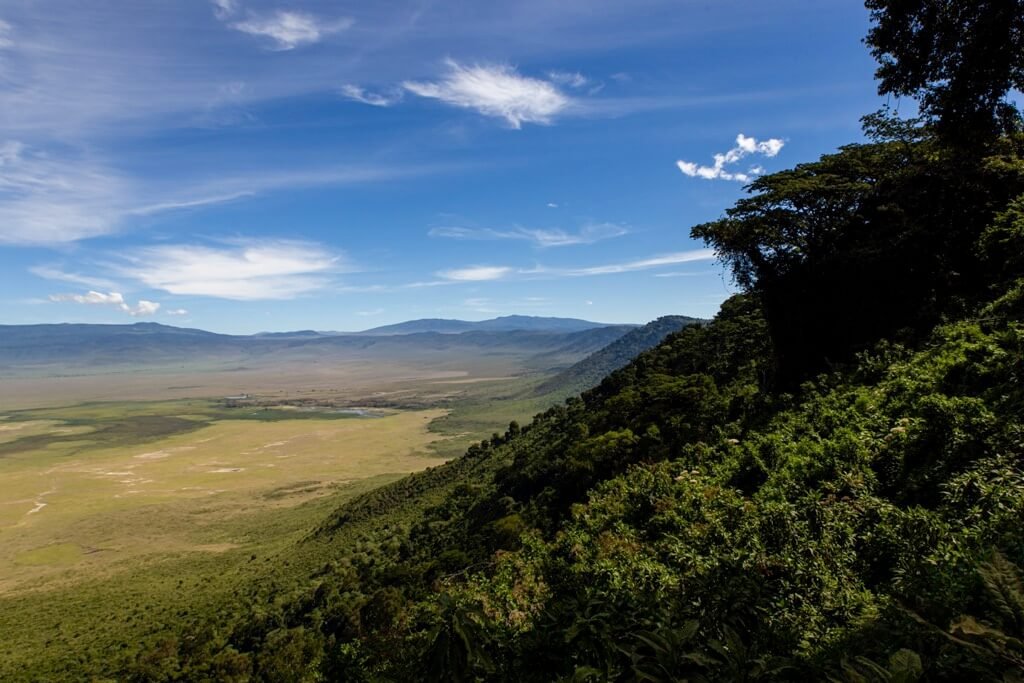
The Ngorongoro Crater, a UNESCO World Heritage Site nestled in the highlands of Tanzania, is the world’s largest intact volcanic caldera.
Formed by a massive volcanic eruption, this natural amphitheatre spans about 260 square kilometres and is a testament to the planet’s tumultuous geologic past. With its rich soil and abundant water, the crater floor sustains diverse wildlife, offering one of Africa’s best wildlife-viewing experiences.
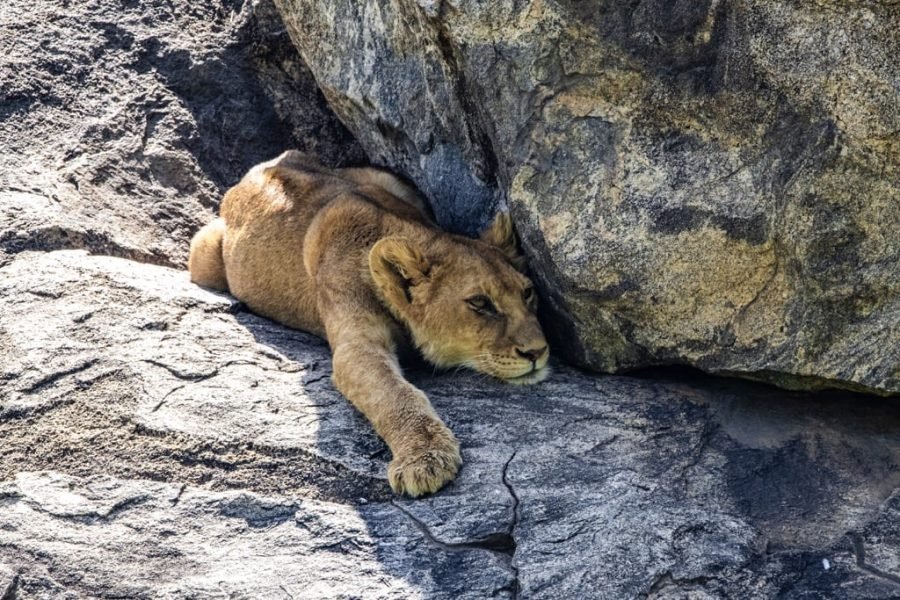
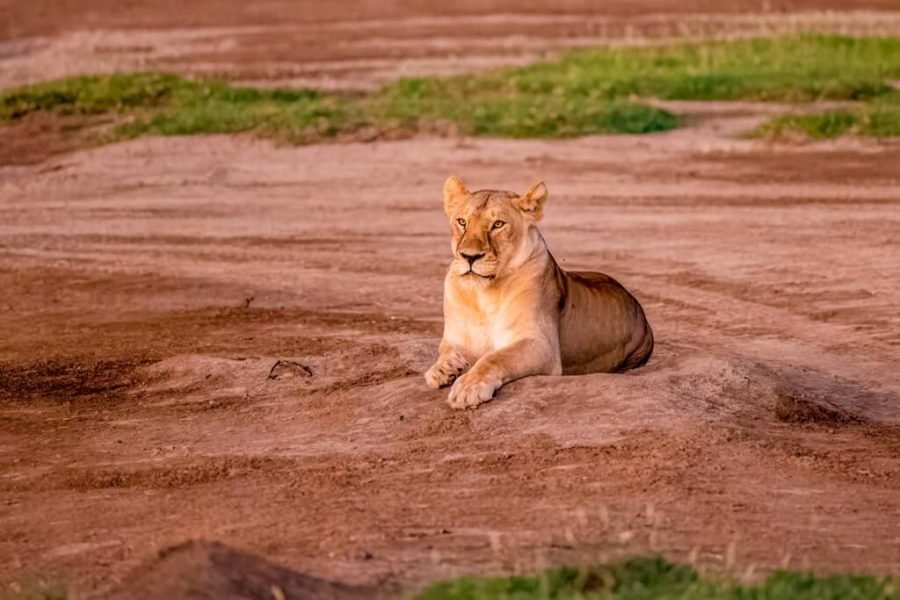
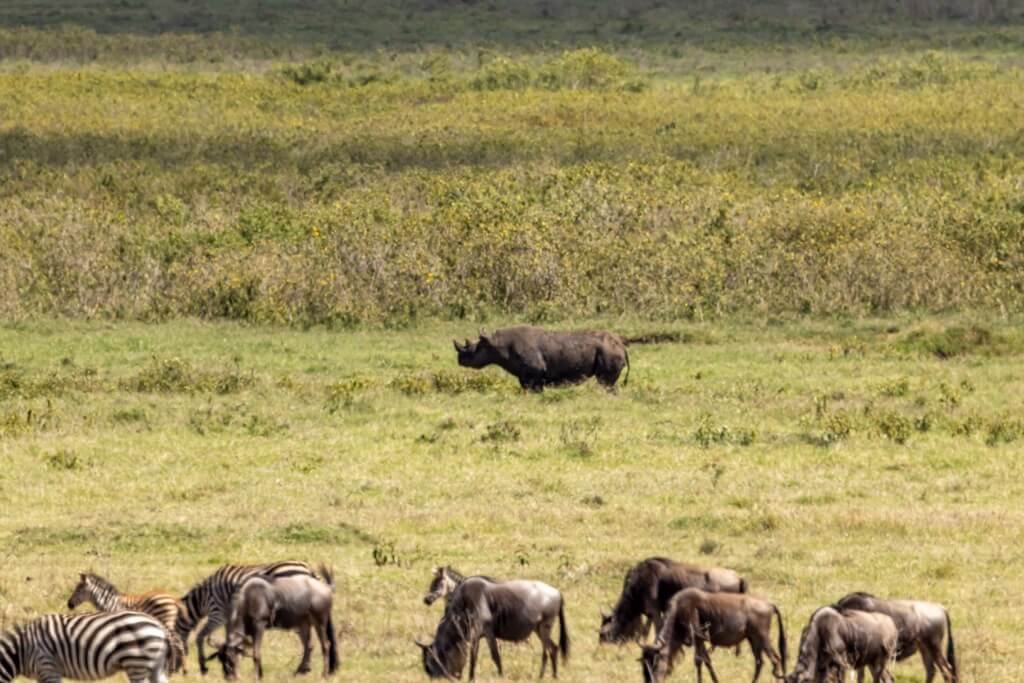
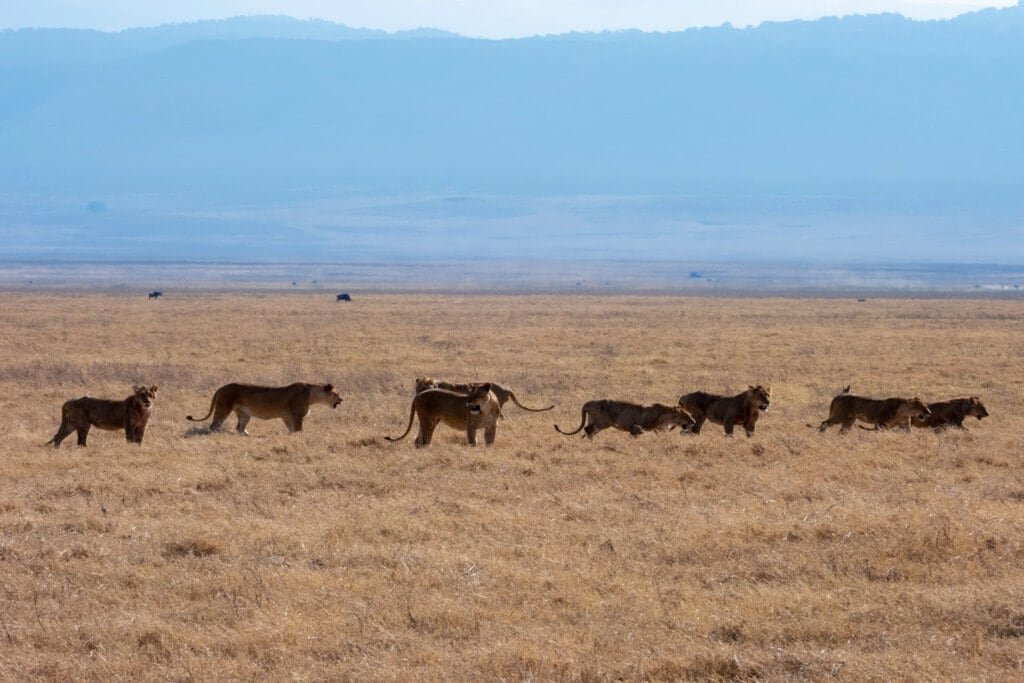
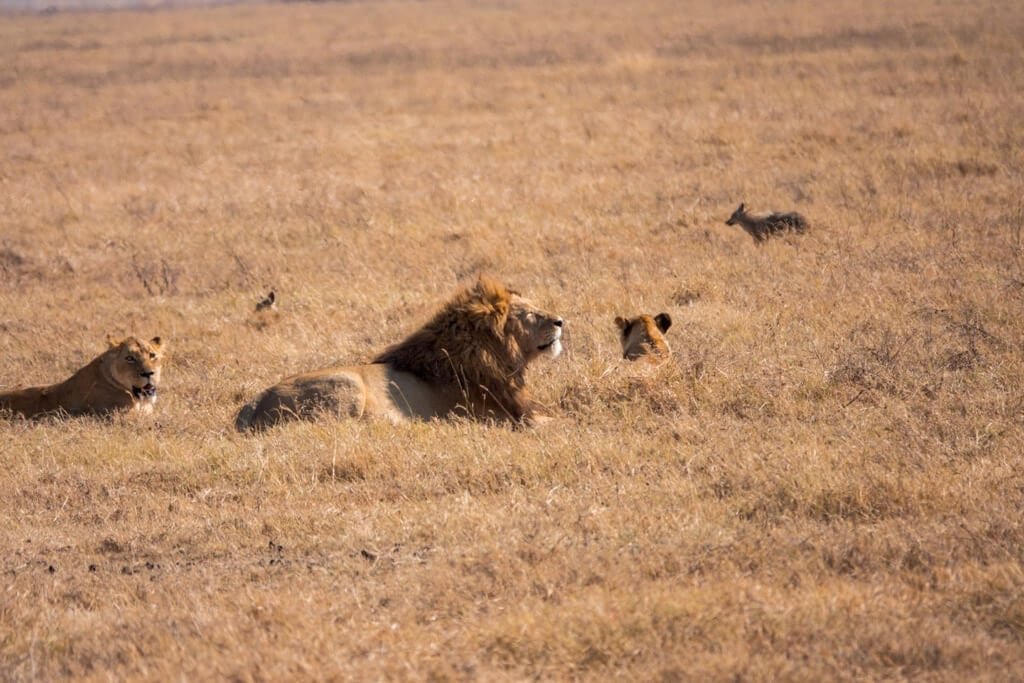
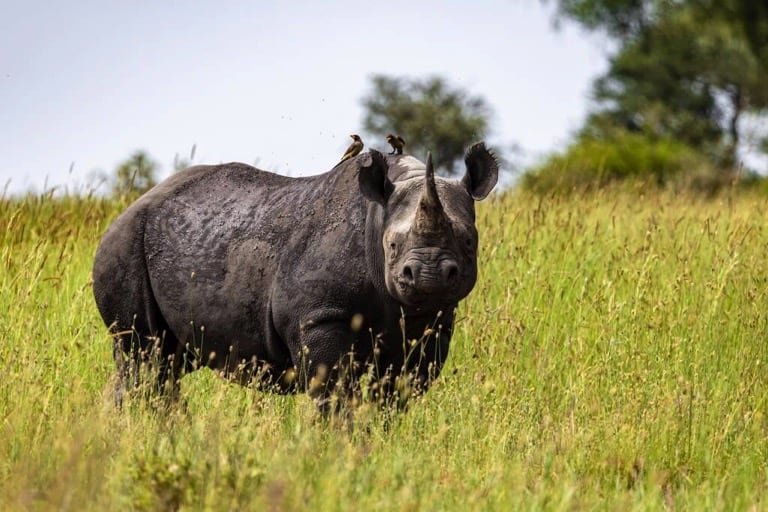
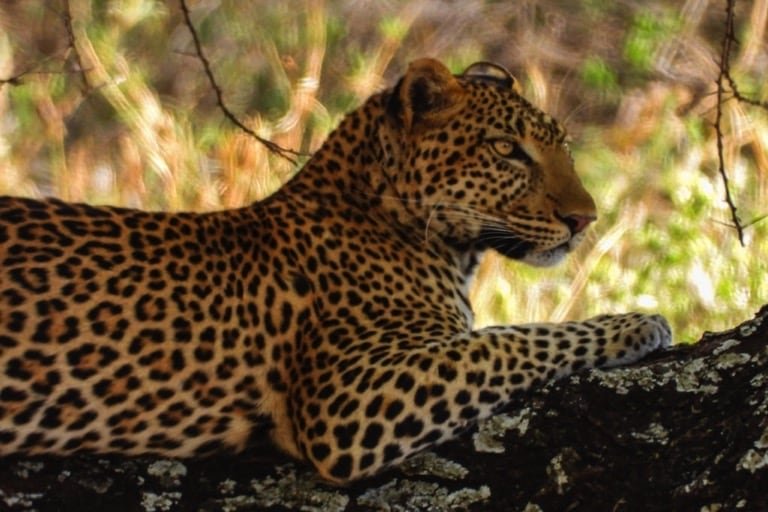
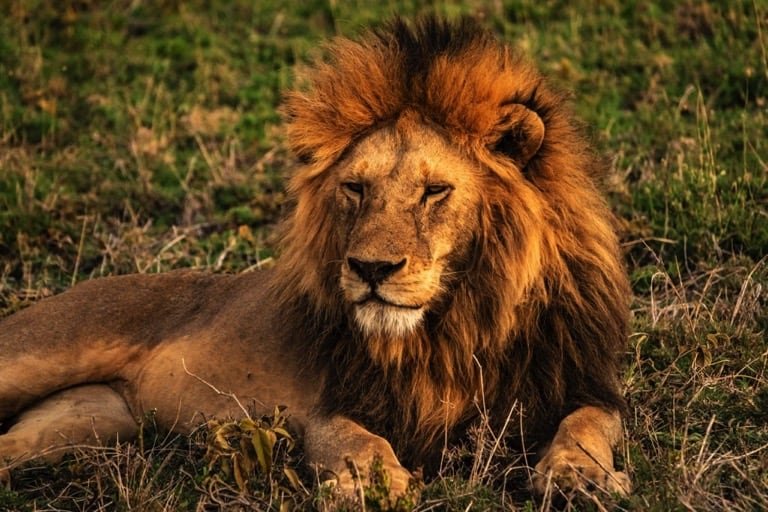
Within this natural enclosure, you’ll find an astounding concentration of fauna. The crater is home to the densest population of lions in the world, alongside other members of the “Big Five” – elephant, rhino, buffalo, and the elusive leopard. This is one of the few places in Africa where you can see the endangered black rhino in its natural habitat.
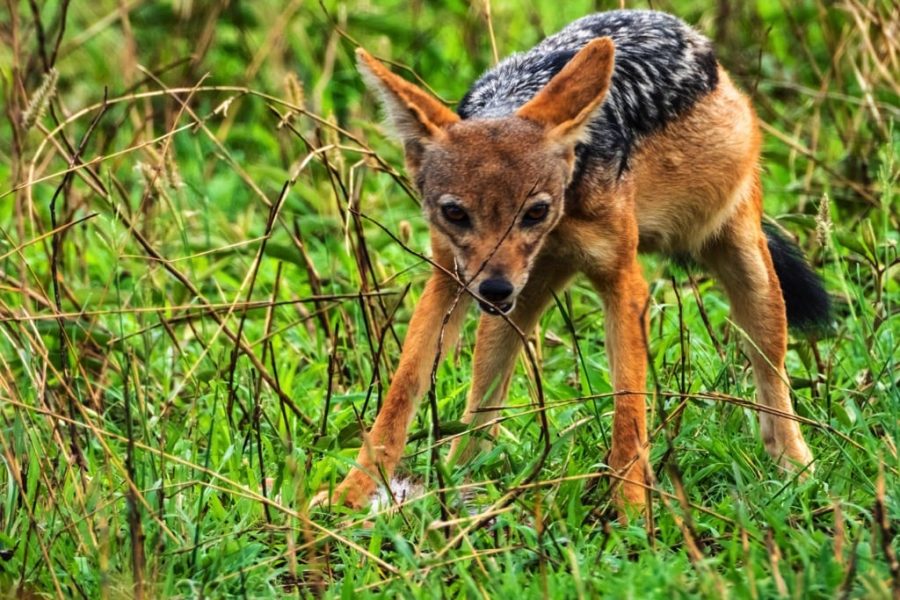
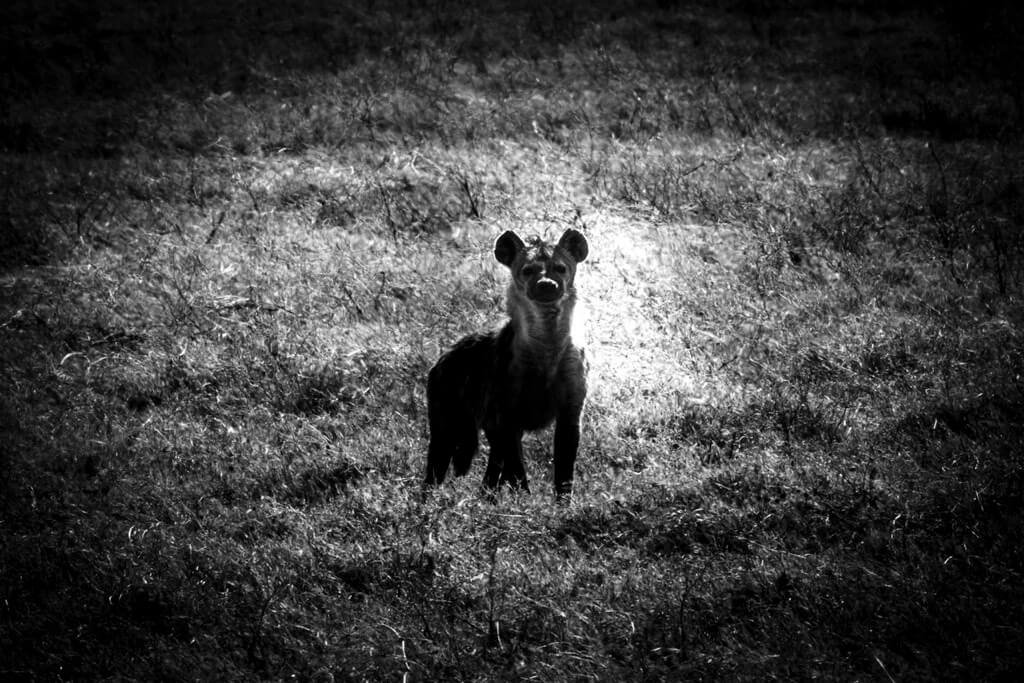
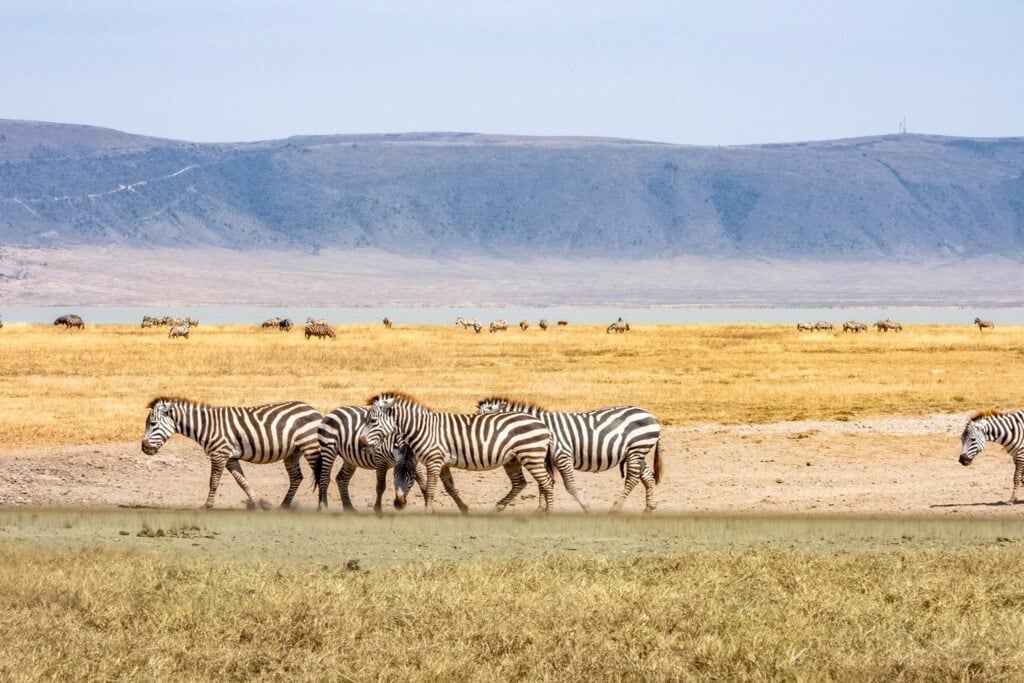
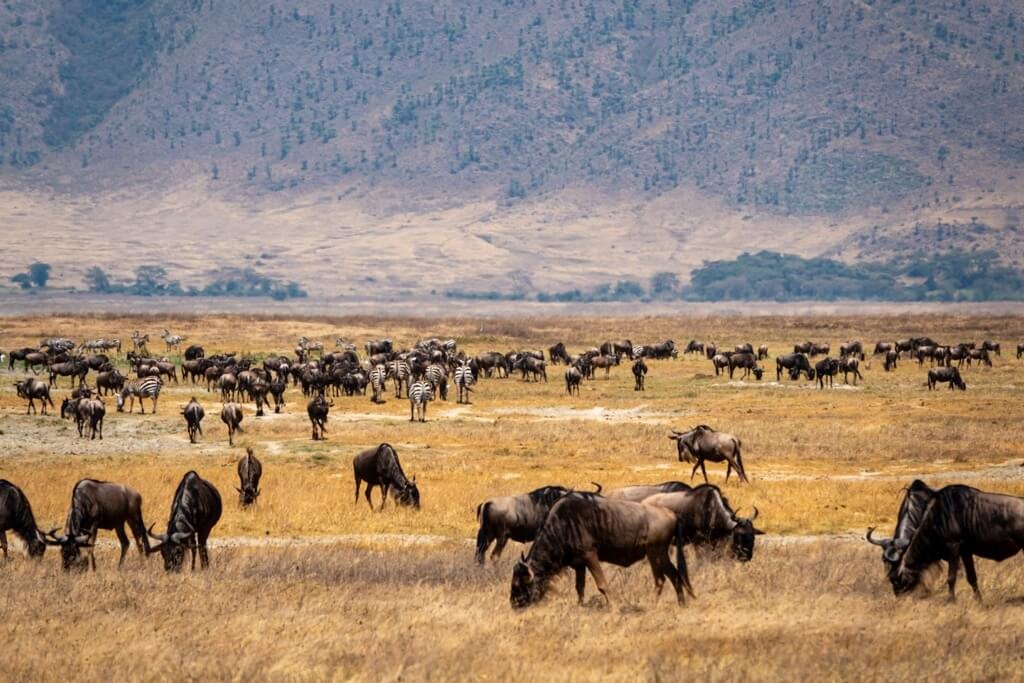
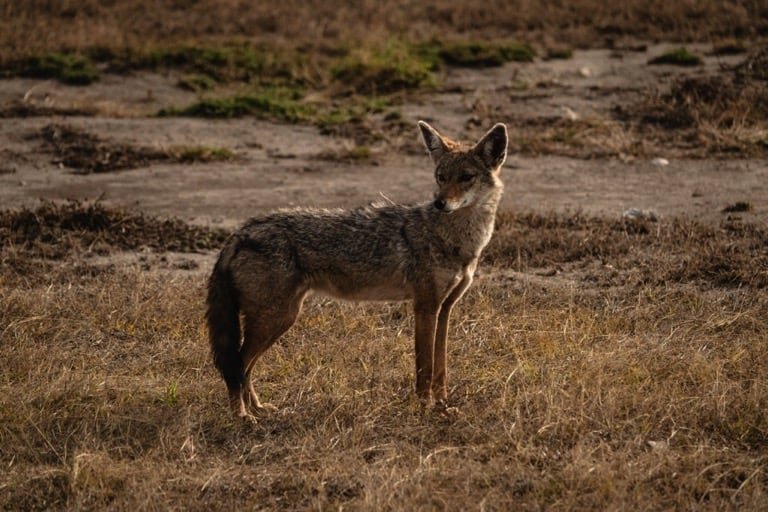
The Ngorongoro Crater also supports large herds of wildebeest, zebra, and gazelle, which attract predators such as hyenas and jackals. The crater’s soda lake, Lake Magadi, draws flocks of flamingos, adding a splash of colour to the landscape. Whether it’s the striking landscapes or the unparalleled wildlife encounters, visiting the Ngorongoro Crater provides a unique and unforgettable African safari experience.
This is the main attraction found in the Ngorongoro Conservation Area
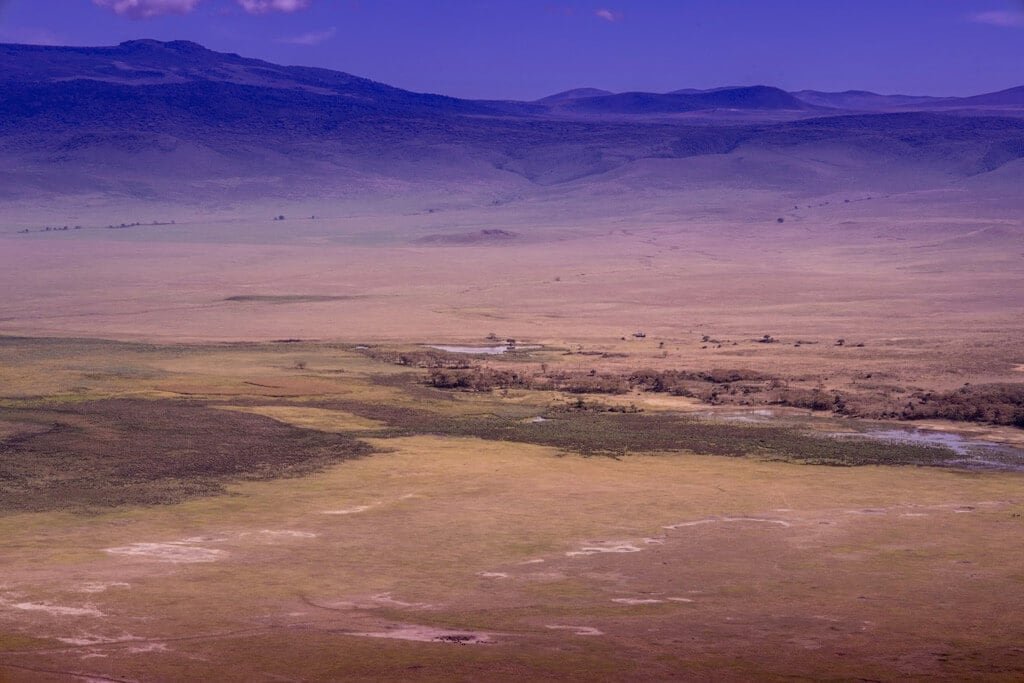
This caldera/crater was formed millions of years ago; the word crater is a mistake made by book writers and printers because the crater is a slight depression formed on top of a mountain due to volcanic eruption, and there is no life in the crater, while caldera is a significant depression formed when a mountain collapses. The total space of the Ngorongoro Caldera is about 290km square and 16-17km across it. The glow lies about 610 meters below the rim, and here the soda lake can be seen, and munge river flows from the Highlands of the Ngorongoro to the caldera.
The Ngorongoro Crater is a natural wonder and a UNESCO World Heritage site in northern Tanzania. This breathtaking caldera resulted from a massive volcanic eruption millions of years ago and is one of Africa’s most iconic landmarks.
The Ngorongoro Crater is nestled within the larger Ngorongoro Conservation Area, which spans over 8,000 square kilometres. The crater measures approximately 20 kilometres in diameter and offers a spectacular setting for wildlife encounters. Surrounded by towering walls, the crater floor is a self-contained ecosystem teeming with wildlife and stunning natural beauty.
The location of the Ngorongoro Crater adds to its allure. It is conveniently situated near popular safari destinations such as the Serengeti National Park and Lake Manyara, making it an essential stop on many safari itineraries.
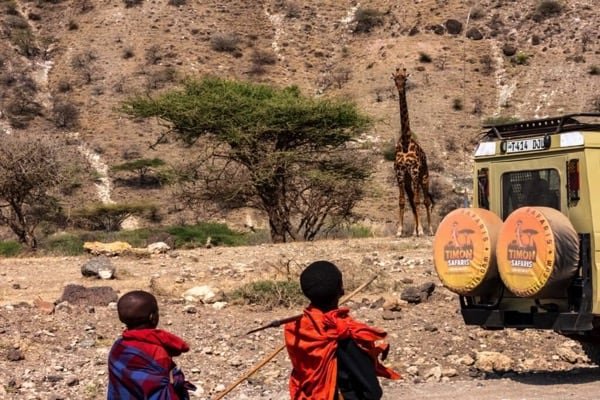
The Ngorongoro Conservation Area is also rich in cultural significance. The Maasai people have lived in harmony with the wildlife and the land for centuries. Visitors to the area can learn about their traditional way of life, witness their vibrant ceremonies, and gain insights into their deep connection with the natural world.
Exploring the Ngorongoro Crater with experienced guides from Timon Safaris allows visitors to maximise their wildlife encounters. Their in-depth knowledge of the area and its inhabitants enhances the safari experience, providing valuable insights into the behaviours and ecological dynamics of the wildlife.
The Ngorongoro Crater is a true natural wonder, offering an immersive wildlife experience within a stunning geological setting. From the abundance of animals to the breathtaking landscapes, visiting this remarkable destination is a journey into the heart of wild Africa.
Wildlife
The Ngorongoro Crater boasts an extraordinary concentration of wildlife, earning it the reputation as Africa’s “Garden of Eden.” The crater’s unique ecosystem supports an incredible array of animals, making it a must-visit destination for wildlife enthusiasts.
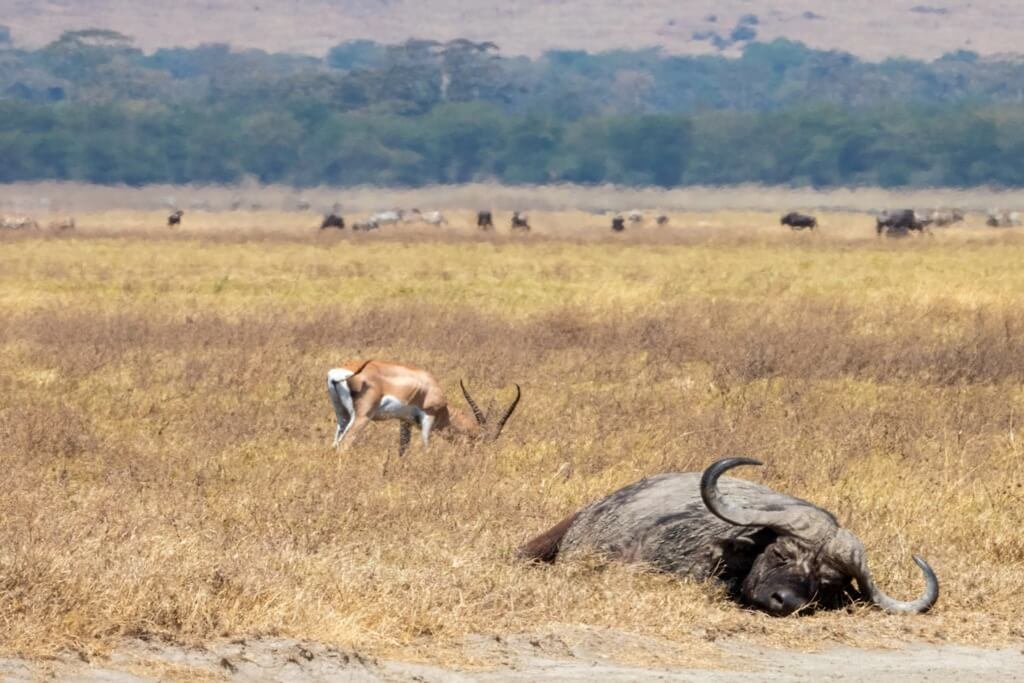
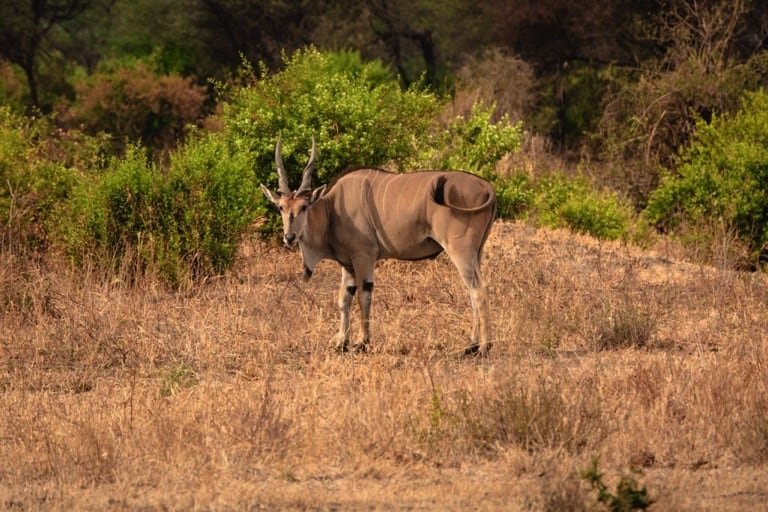
Large herds of herbivores roam the vast grassy plains of the crater floor. These include wildebeests, zebras, gazelles, and elands, which provide a rich food source for predators within the crater. Lions, leopards, and cheetahs can often be spotted lounging in the shade or on the prowl, ready for a hunt. The Ngorongoro Crater is one of the best places in Africa to witness the drama of predator-prey interactions.
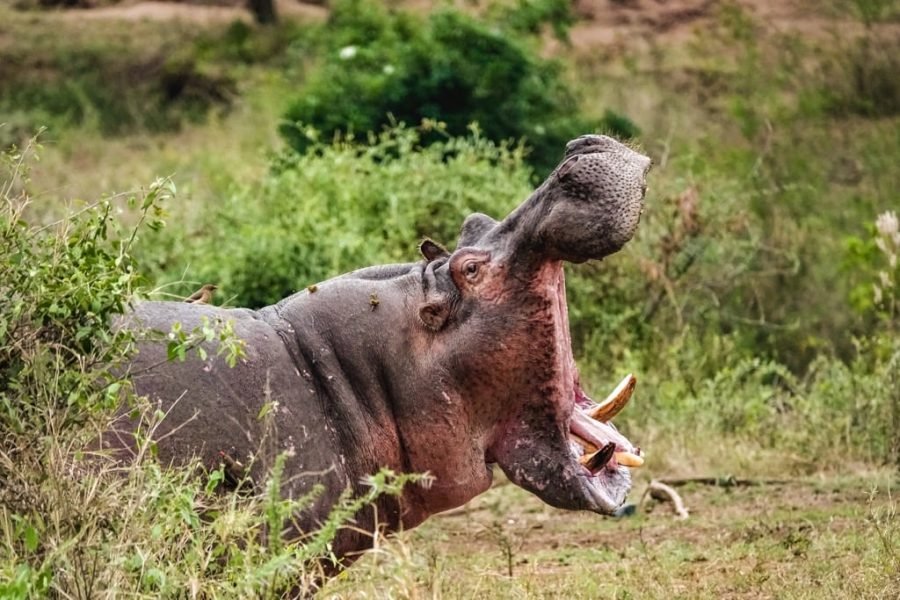
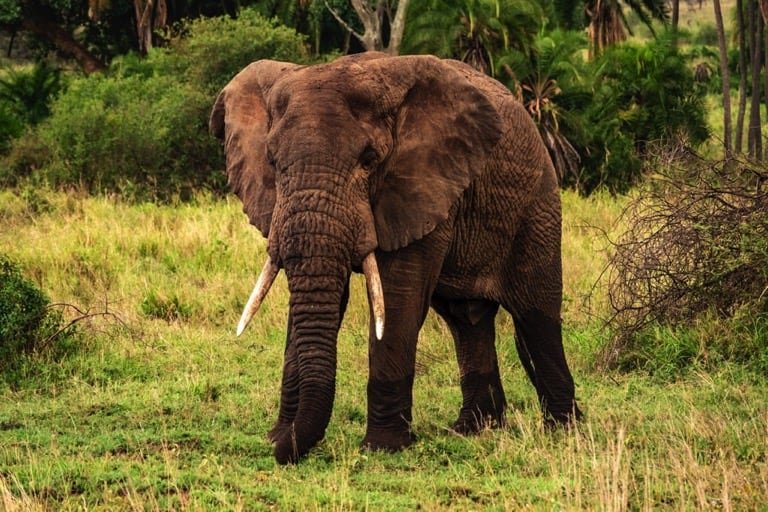
Elephants, buffaloes, and black rhinos also call the Ngorongoro Crater home, adding to its diverse wildlife population. These magnificent creatures can often be seen grazing or wallowing in muddy pools. The crater’s dense forests provide sanctuary for various primates, including baboons and vervet monkeys, swinging through the trees with agility and curiosity.
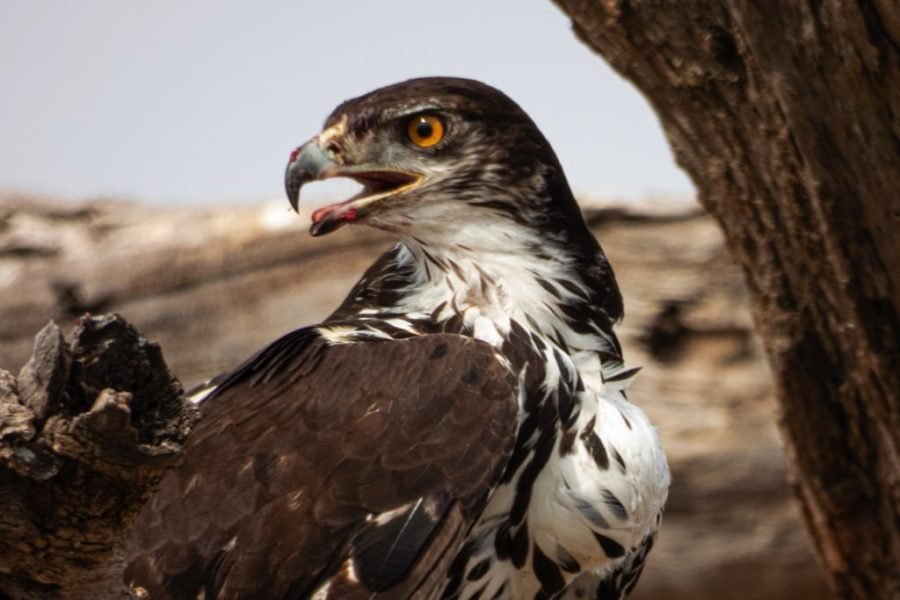
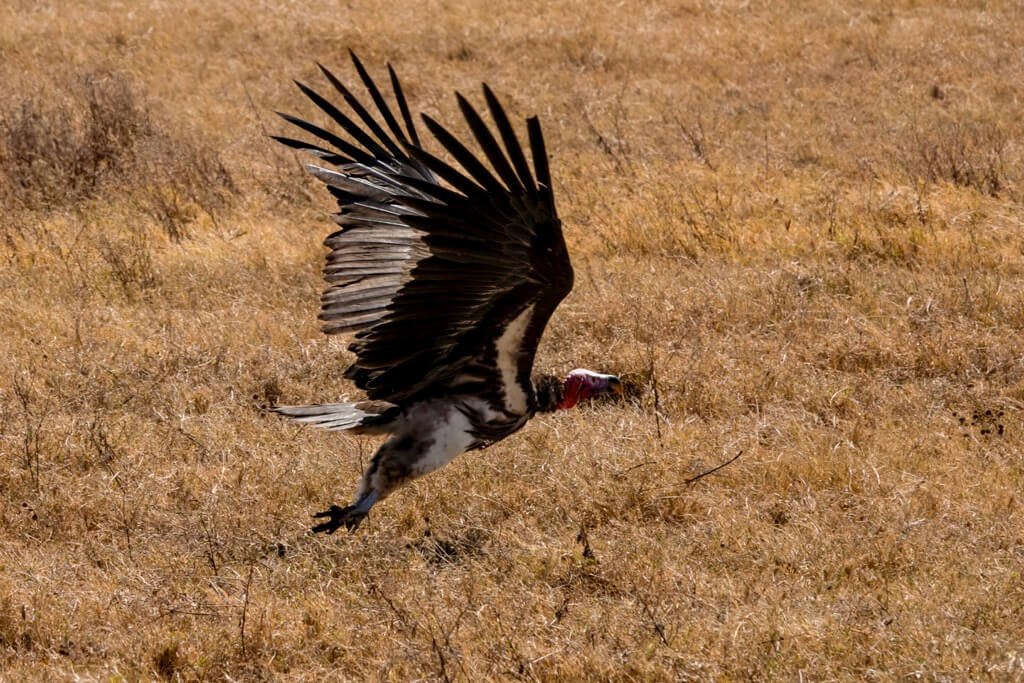
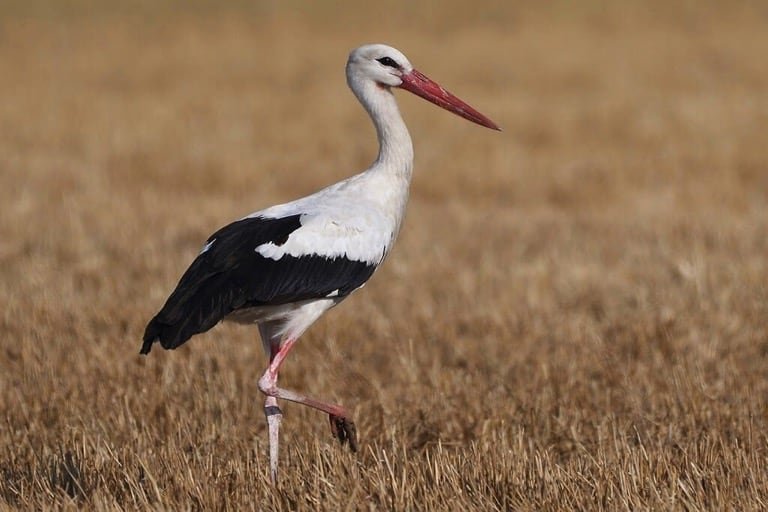
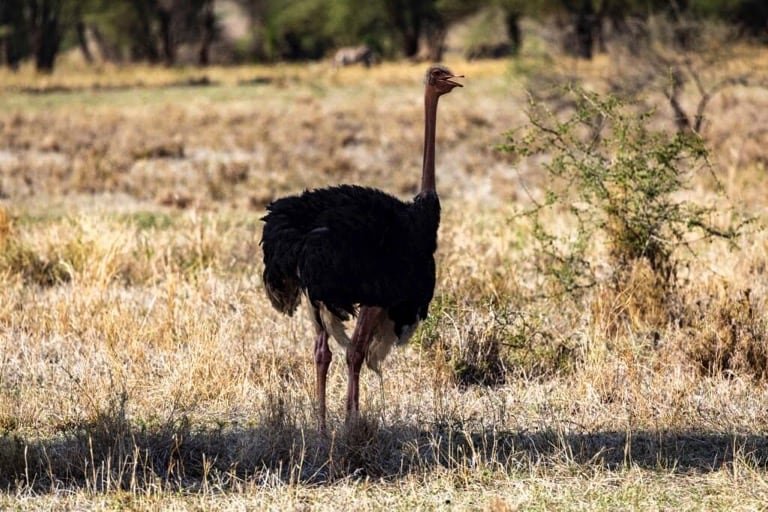
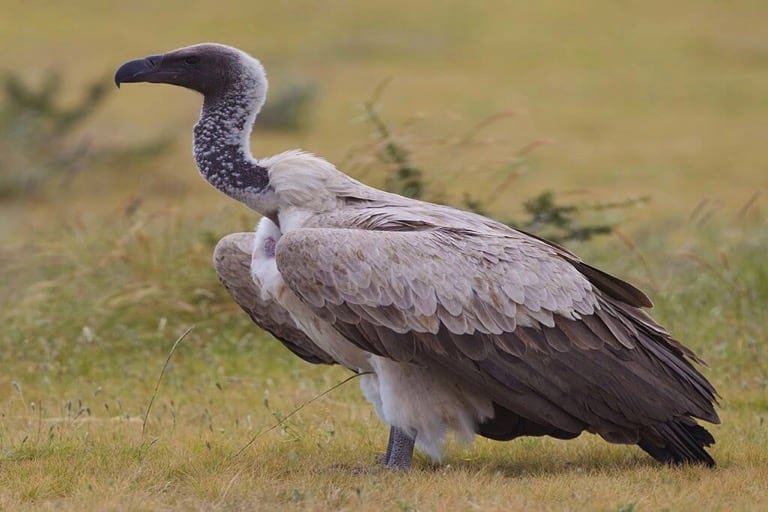
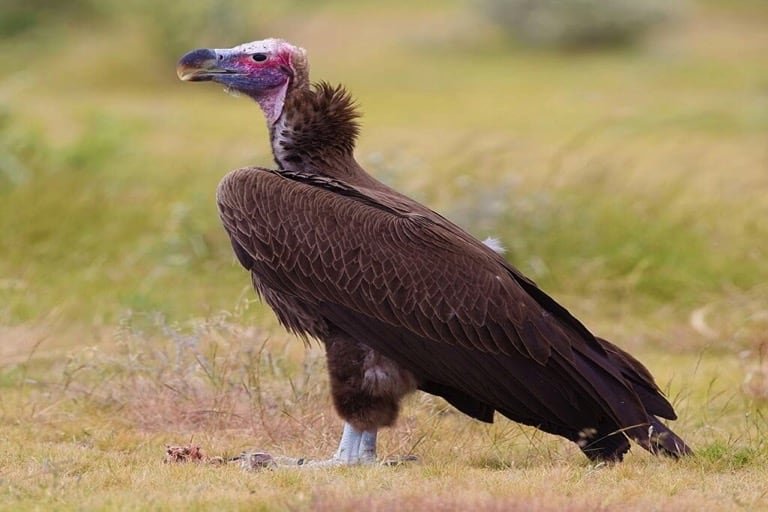
The Ngorongoro Crater is a birdwatcher’s paradise, with over 500 avian species recorded. Flamingos create a stunning pink hue on the soda lake, while raptors soar above in search of prey. From graceful storks and herons to colourful bee-eaters and weavers, the crater offers endless opportunities to observe and appreciate the diverse birdlife.
Common Animals
Probability of seeing various animals
BLACK BACKED JACKAL
90%
GOLDEN JACKAL
90%
BLACK RHINO
50%
LEOPARD
20%
CARACAL
20%
BANDED MONGOOSE
40%
SERVAL
40%
BUFFALO
100%
HYENA
90%
LION
90%
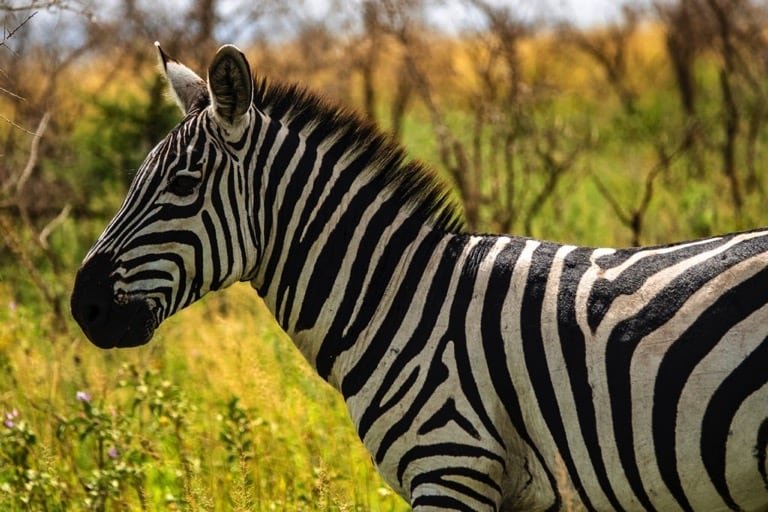
ZEBRA
100%
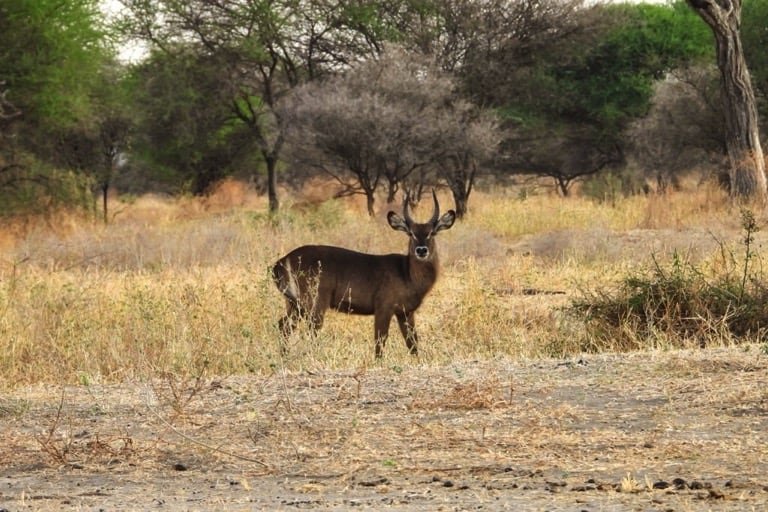
WATERBUCK
80%
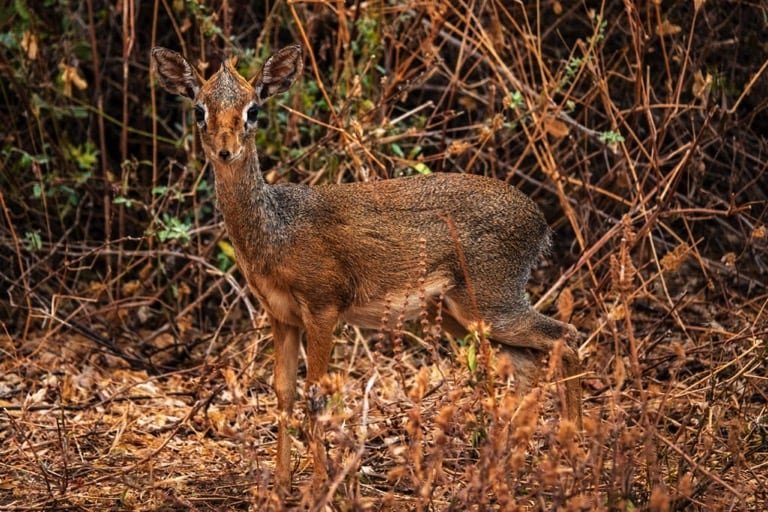
DIK-DIK
40%
ELEPHANT
80%
WILDEBEEST
100%
COMMON ELAND
100%
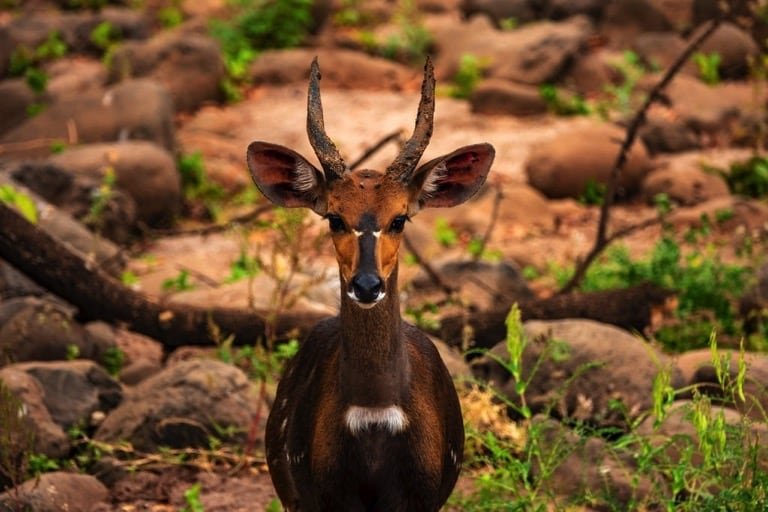
BUSHBUCK
60%
HIPPO
100%
WARTHOG
100%
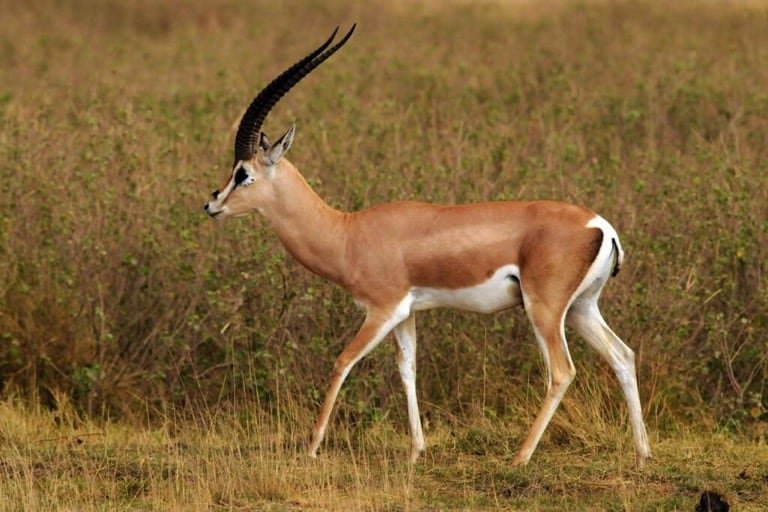
GRANT GAZELLE
100%
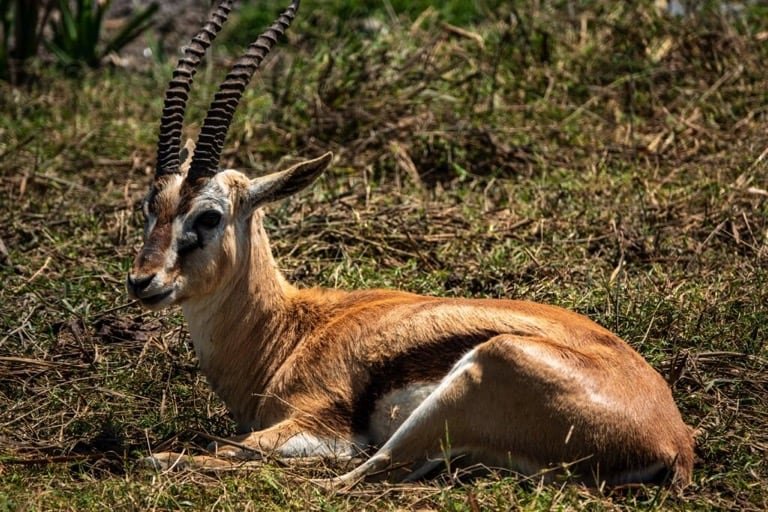
THOMSON GAZELLE
100%
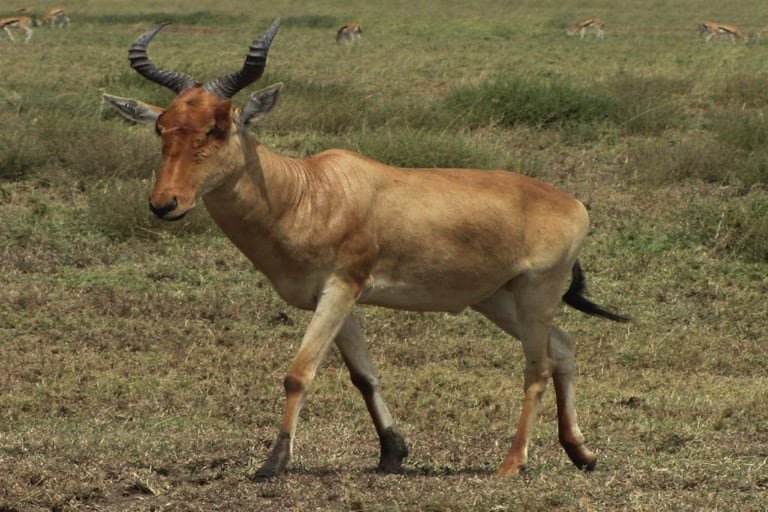
HARTEBEEST
100%
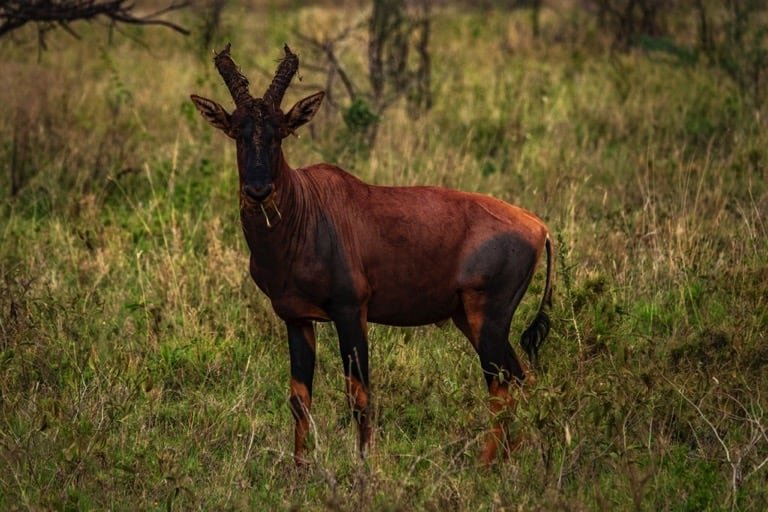
TOPI
100%
BABOON
100%
Common Birds
Probability of seeing various birds
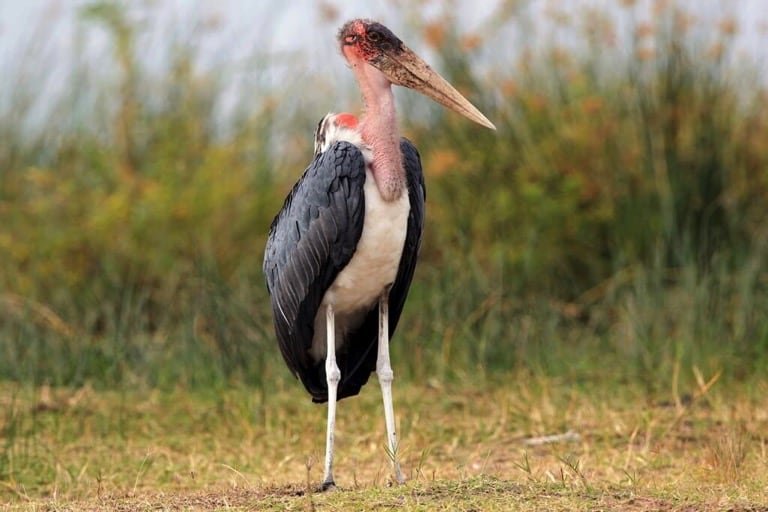
MARABOU STORK
100%
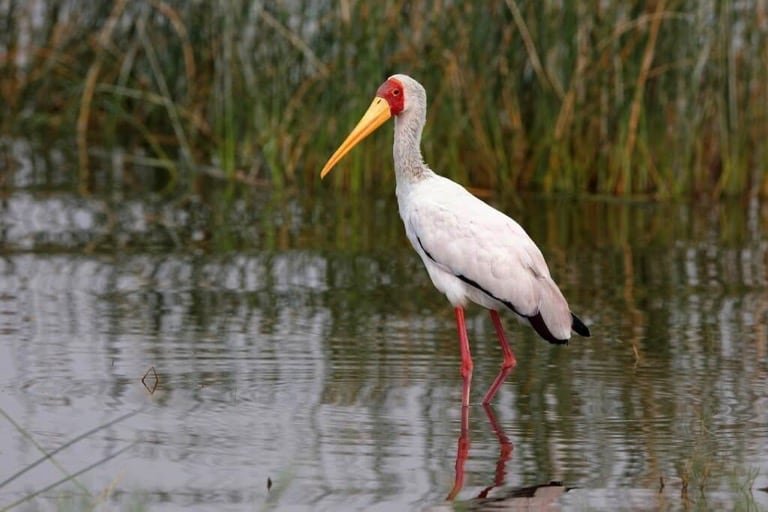
YELLOW-BILLED STORK
100%
WHITE STORK
50%
BLACK STORK
100%
SADDLE-BILLED STORK
100%
EGYPTIAN GOOSE
100%
OSTRICH
100%
WHITE BACKED VULTURE
95%
LAPPET FACED VULTURE
95%
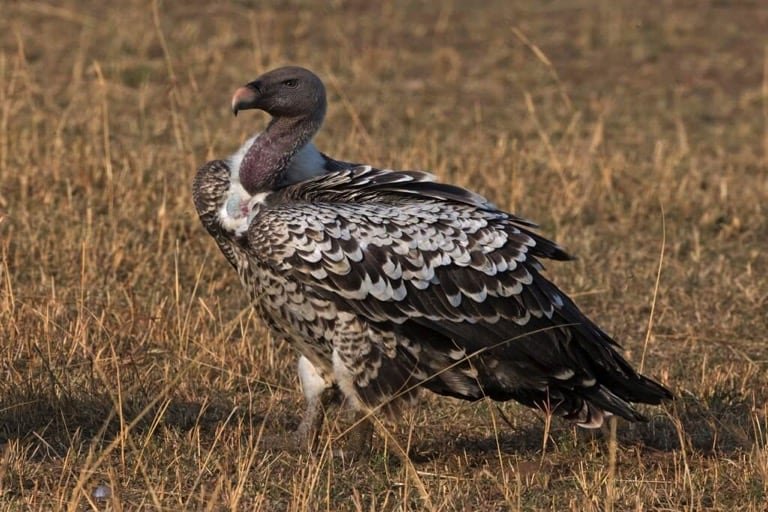
RUPPELS VULTURE
100%
BLACK MASKED WEAVER
100%
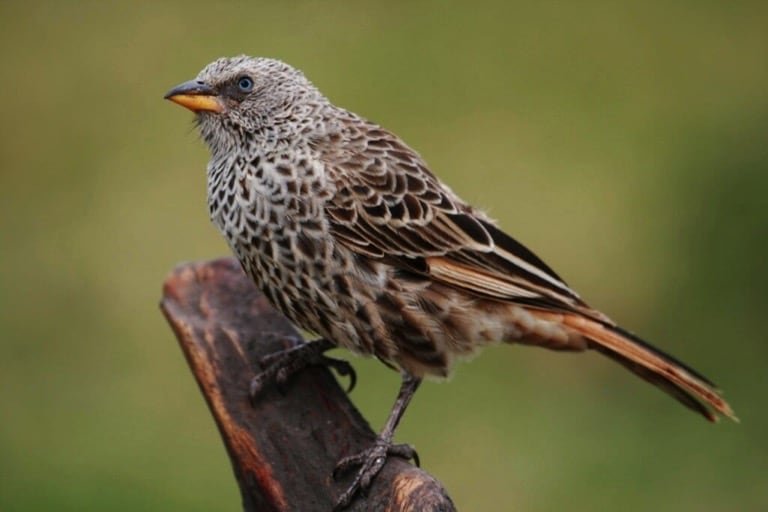
RUFOUS-TAILED WEAVER
100%
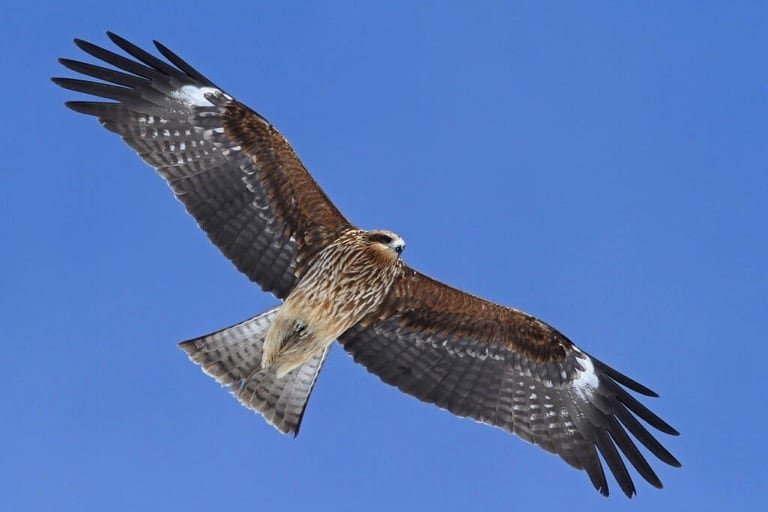
BLACK KITE
100%
AUGUR BUZZARD
100%
TOWNY EAGLE
75%
SECRETARY BIRD
75%
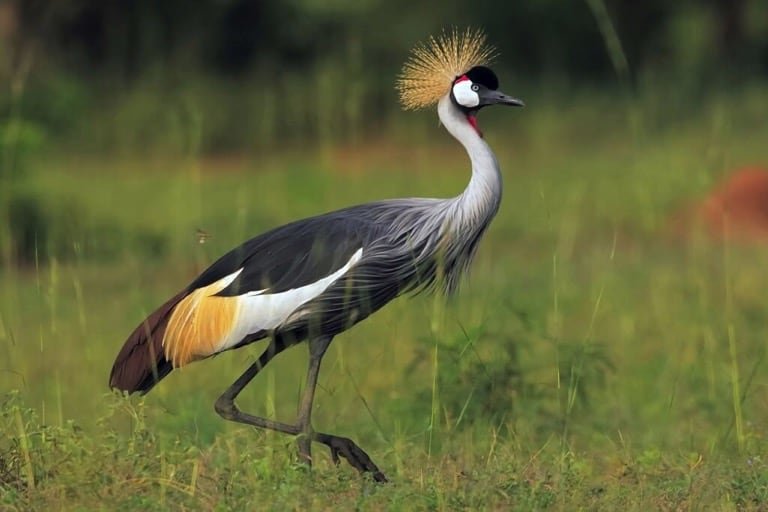
GRAY CROWN CRANE
100%
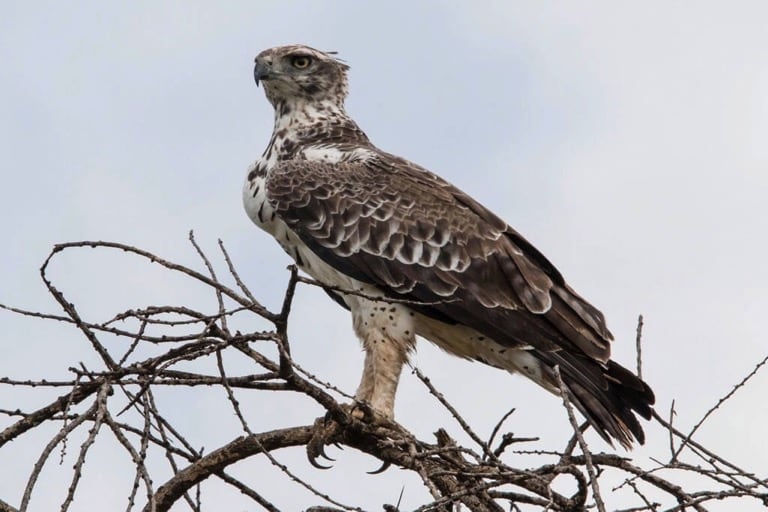
MARTIAL EAGLE
60%
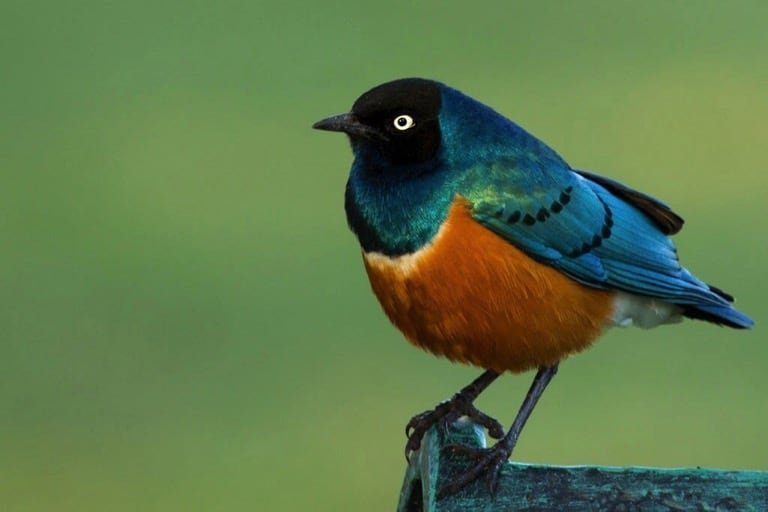
SUPERB STARLING
100%
KORI BUSTARD
100%
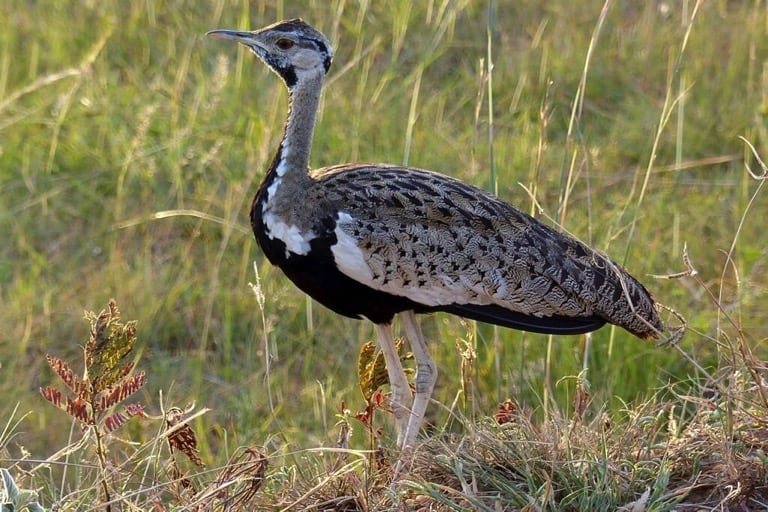
BLACK-BELLIED BUSTARD
100%
WHITE-BELLIED BUSTARD
100%
Ready to adventure and enjoy wildlife?
Subscribe to our newsletter and get the latest updates & news.

















 EN
EN
 RO
RO  FR
FR  DE
DE  ES
ES